Conference Agenda
Periop Leader Week 2026 (Formerly OR Manager Conference & OR Business Management Summit) brings together perioperative leaders from hospitals, health systems, and ambulatory surgery centers for a focused week of practical learning and collaboration.
The agenda will explore today’s most urgent priorities—staffing and retention, operational efficiency, financial performance, regulatory readiness, patient safety, and cross-department alignment—through real-world case studies, actionable tools, and peer-driven discussions. Every session is designed to equip leaders with strategies they can implement immediately within their unique care settings.
We are actively announcing this year’s agenda and invite you to check back frequently for updates! Please refresh your browser if you do not see the agenda listed by date below.
*Agenda subject to change.
Sunday, October 4
-
Robert Campbell, PharmD, BCSCP
Vice President of Accreditation/Certification Program Development and Accreditation Management // Joint Commission
Coming Soon: Pre-Conference Workshops
Kick off your learning early at one of our two pre-conference workshops! We'll be covering updates to The Joint Commission standards as well as providing new and emerging leaders with the skills and information they need to succeed. Stay tuned for more information!
Reverse Expo
As the name suggests, the Reverse Expo flips the traditional expo format – the vendors come to you for one-on-one meetings! We understand your time at the conference is valuable, and you need to make the most of your time on the Periop Networking & Innovation Hall finding the partners and solution providers that fulfill your needs.
To express interest in participating, confirm during registration or complete this form.
Perks of participation: Receive a complimentary hotel room night for Sunday evening and access to a VIP reception immediately following! Confirm your interest during registration and you will be contacted shortly with details.*
*Participation in the Reverse Expo is required. If you are approved and agree to participate, but do not attend the Reverse Expo event, your room night coverage will be rescinded.
Joint Commission workshop
Monday, October 5
- Identify and address "leadership hesitancy" among emerging perioperative staff
- Redefine perioperative leadership to align with the values of the next generation
- Implement strategies to attract, engage, and develop high-potential perioperative talent
- Prepare emerging leaders for the realities and responsibilities of leadership roles
-

Edna Gilliam, DNP, MBA, RN, CNOR, NEA-BC
Assistant Vice President, Perioperative Services and SPD, DV // Nemours Children's Health -

Dekeisha Howard, MSN, RN, NE-BC
Director of Perioperative Services // Children's Hospital of Philadelphia -

Dykisha Potter, MPP
Workforce Pipeline Development Coordinator // Nemours Children's Health -

Sharon Udy-Janczuk, EdD, MSN, RN, CNOR-PEDS, CPN, NE-BC
Perioperative Services, Clinical Nurse Educator, Transition to Practice // Nemours Children's Health -
Heidi Pieper, MHA, LSSGB
Program Director, Robotic and Minimally Invasive Surgery Program // The Ohio State University Wexner Center - Analyze perioperative workflows to identify high-risk behaviors that increase the likelihood of patient identification errors
- Identify perioperative-specific behaviors that reduce the risk of patient identification errors across all phases of care
- Evaluate how structured learning systems can be leveraged to standardize perioperative patient identification practices, reduce variability, and prevent identification errors
-

Ann Marie Morris, MSN, RN, CNOR, CSSGB
Associate Clinical Director, Perioperative Quality, Safety, and Education, Hospital of the University of Pennsylvania // Penn Medicine -

Georgina Hurley, MSN, RN, CNOR
Senior Clinical Director, Perioperative Nursing, Hospital of the University of Pennsylvania // Penn Medicine -
Malcolm Ladines, MS, MLS, BSN, RN, CSSBB, CQIA
Business Director, Perioperative Services, Baylor University Medical Center // Baylor Scott & White Health -

Douglas Reynolds, MBA
Business Manager, SLH Surgical Services, Canton Potsdam Hospital, Massena Hospital, Gouverneur Hospital // St. Lawrence Region of Rochester Regional Health -
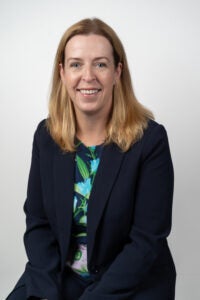
Sinéad Ingersoll, FACHE, FACMPE, MHA
Chief Operating Officer // St. Lawrence Region of Rochester Regional Health -

Jeffrey Eckdahl, RN, BSN, MBA, CSSM
Director of Surgical Services // Guthrie Lourdes Hospital -
Sharon Udy-Janczuk, EdD, MSN, RN, CNOR-PEDS, CPN, NE-BC
Perioperative Services, Clinical Nurse Educator, Transition to Practice // Nemours Children's Health -

Barbara Shannon, DNP, MBA, MSN, BSN, RN, CNOR
Administrator, Surgery Center, Malvern // Nemours Children's Health -

Jacqueline Jenkins, RN, MSN, CNOR
Director of Perioperative Services // Nemours Children's Health
Welcome Remarks & Opening Keynote
Start your Periop Leader Week experience with a powerful opening keynote designed to set the tone for the days ahead. This featured session will bring the entire perioperative community together—hospital, ASC, and business leaders alike—to explore the challenges shaping our field and the opportunities to lead forward with confidence.
Come ready to think bigger, lead stronger, and make the most of everything the week has to offer.
Stay tuned for more information!
‘How's the water in there?’ Why water quality in the perioperative suite and SPD needs constant monitoring... and how to do it
Embrace it, don't fear it: How and why to use AI and other technology to be a more effective and efficient leader
Some perioperative leaders are unaware of the numerous technological tools available to help them work – and lead – more efficiently and effectively. Some don’t have the time to investigate their options. And some are generally “tech-hesitant,” including a reluctance to embrace artificial intelligence tools, for a variety of reasons.
In this panel discussion, healthcare executives will examine how perioperative leaders can overcome fear and inertia surrounding tech adoption, real-world use cases of tech in perioperative settings that can boost productivity and leadership, how using tech tools safely, securely and compliantly can set an example and tone for those you lead, and how to justify investments in perioperative tech tools for the C-suite.

The end of the CMS Inpatient-Only List: Impacts and strategies for hospitals and health systems
The Centers for Medicare & Medicaid Services (CMS) has approved many hundreds of surgical procedure types to be performed in outpatient settings over the last decade, including hundreds more this year. Now the federal agency plans to eliminate its Inpatient-Only (IPO) list of procedures entirely by Jan. 1, 2028. While that move portends even greater freedom for patients and surgeons in terms of where their operations can be performed, it presents a major problem for many hospitals that could lose even more significant revenue and patient volume to ambulatory surgery centers (ASCs) than they already have.
In this session, an expert panel will discuss the business impacts of this imminent regulatory and financial development on hospitals and health systems, as well as proactive strategies and opportunities for a successful and profitable transition, including building or acquiring ASCs or entering into ASC joint ventures; patient selection and safety considerations; how inpatient hospitals can avoid significant loss of revenue and OR usage from both payor denials and the preferences of surgeons and patients; and much more. Following the panel, a Q&A session will allow attending perioperative business leaders to acquire further information and insight about this market-altering development.
The big squeeze: Adapting to shrinking reimbursements and rising costs at the ASC
Margins can be tight in surgery, but the accelerating combination of reduced reimbursements and rising costs is adding to the pressure. During this interactive panel discussion, leaders will discuss how to contain costs, negotiate for better rates with payors and vendors, find value at the margins and boost efficiencies so your ASC can stay safe, effective and profitable.
Integrating technology without negatively impacting perioperative workflows
Acquiring new technology in perioperative services can greatly enhance efficiency and clinical outcomes... unless it doesn't. In this session, panelists will discuss how to most effectively implement new technology in the OR and elsewhere by engaging staff throughout the process, educating them properly, and achieving full buy-in from your teams.
Build your bench: Strategies and insights to develop your perioperative leadership pipeline
Developing a pipeline of new perioperative leaders who are prepared to step into key roles after their predecessors move on or retire is crucial to maintaining the stability of your surgical operations. However, many of today’s talented young staff view leadership roles differently than their more experienced counterparts do. Particularly, they may display “leadership hesitancy” – a fearful or self-doubting reluctance to take on the time demands and heavy responsibilities of a management position.
In this panel, veteran perioperative leaders will discuss what it really takes to attract, engage and develop today’s young talent into new, high-achieving perioperative leaders. They’ll explore how to redefine leadership for young staff who might wonder why they’d ever sign up to be a perioperative leader in the first place. They’ll discuss how to mentally prepare prospective young leaders for the trials and tribulations of management positions, how to address the fear, uncertainty and doubt that can feed their worries about “imposter syndrome,” and describe how to most effectively get young talent to jump at the opportunity to “lean into leadership.”
Learning objectives:
Assessing the risks, rewards and requirements of bringing high-acuity cases to the ASC
An increasing number of procedures, and the increased patient volume that comes with them, have been migrating to ASCs for well over a decade. Now, with the possible elimination of CMS’ entire Inpatient-Only list in January 2028, high-acuity cases such as cardiovascular and complex spine that have traditionally been handled in hospital settings due to safety concerns are already making the move to the outpatient setting.
What considerations should ASC leaders make to safely and profitably add high-acuity service lines? This panel will dive into the numerous factors that influence these crucial decisions.
Are you getting maximum value out of your surgical robot investment?
Surgical robot purchases are often the subject of splashy hospital press releases, and their presence can attract surgeons and patients alike to a facility. After the initial hype fades, however, some surgeons might begin to avoid the robot and revert to their traditional techniques, while other surgeons might use the robot for procedures that would be much cheaper to perform otherwise.
Even if this isn’t the case at your facility, the question remains: Is your hospital or ASC deriving maximum value, and the expected return on investment, on that seven-figure robot purchase?
In this panel discussion, experts will zero in on how to optimize the use of your surgical robot from a business standpoint, including the types of cases that make the most financial sense to perform robotically, avoiding “robotic overkill” procedures, winning over skeptical surgeons, accounting for the true costs involved in purchasing and maintaining a robotic platform, maximizing efficiencies in use, setup and turnover, sterile processing requirements, training surgeons and staff, understanding the nature of your relationship with your robot vendor, and more.
The numbers behind the narrative: How surgical volume growth can improve patient safety
Block time utilization is a key to increasing surgical throughput and OR capacity, especially in today’s context of limited resources. However, any plan to boost case volume is typically met with concerns about care quality and patient safety. But what if the lever for operational efficiency turned out to also be a source of improved safety?
In this panel discussion, perioperative leadership will share their experience and results from deploying ambient intelligence — a combination of an AI predictions engine, real time analytics, and computer vision across ORs — with the initial goal of anticipating and preventing the cascade of delays that often define the surgical day, but ultimately resulting in optimized scheduling and prevention of patient infections that lead to recidivism.
When surgical teams can trust their data — and each other — everyone benefits: patients get better, faster, safer care; staff find more predictability; and hospitals gain the capacity to sustain it all. The panel will provide actionable takeaways for attendees on implementing and tracking ambient AI and computer vision tools to improve productivity, reduce costs, and improve patient safety.
Who, who are you? Why knowing the patient isn’t enough
Patient identification is a foundational element of patient care, yet errors continue to occur despite established protocols and regulatory requirements. While the use of two patient identifiers is standard practice, knowing the patient’s identity alone is not enough to ensure that the intended patient is receiving care. In the fast-paced operating room environment, familiarity, assumptions, interruptions, and workflow pressures can subtly compromise verification processes.
This presentation examines perioperative patient identification near misses identified through quality improvement review at a major academic medical center. By analyzing de-identified events, participants will explore system and human factors that contribute to near misses, including communication breakdowns, handoff vulnerabilities, confirmation bias, and overreliance on task-based checklists. These insights have informed the development of enhanced patient verification practices that move beyond checklist compliance toward shared cognitive processes.
Lessons learned from these near misses are translated into practice through creative, interdisciplinary education strategies. A series of interactive, video-based scenarios was developed to engage perioperative teams, reinforce shared cognitive processes, and strengthen team-based verification.
By leveraging near misses as opportunities for learning and system improvement, perioperative teams can enhance patient identification practices and reduce preventable harm. This session underscores the critical role of the perioperative nurse in not only knowing the patient but confidently knowing they have the correct patient.
Learning objectives:
Luncheon Presentation, presented by: Aesculap
Join us for a featured luncheon session presented by one of our valued industry partners. These sessions offer a unique opportunity to explore innovative solutions, emerging technologies, and real-world strategies designed to address today’s most pressing perioperative challenges.
Each presentation delivers practical insights you can take back to your organization—whether you’re focused on improving efficiency, strengthening financial performance, enhancing patient safety, or supporting your team. Hear directly from solution providers and subject matter experts who are working alongside perioperative leaders to drive measurable results.
Open to Premier, All-Access, Conference, Speakers, Committee, Volunteer, Press, and Exhibitor Conference Passholders.
Luncheon Presentation, presented by: Optum
Join us for a featured luncheon session presented by one of our valued industry partners. These sessions offer a unique opportunity to explore innovative solutions, emerging technologies, and real-world strategies designed to address today’s most pressing perioperative challenges.
Each presentation delivers practical insights you can take back to your organization—whether you’re focused on improving efficiency, strengthening financial performance, enhancing patient safety, or supporting your team. Hear directly from solution providers and subject matter experts who are working alongside perioperative leaders to drive measurable results.

Luncheon Presentation, presented by: LeanTaaS
Join us for a featured luncheon session presented by one of our valued industry partners. These sessions offer a unique opportunity to explore innovative solutions, emerging technologies, and real-world strategies designed to address today’s most pressing perioperative challenges.
Each presentation delivers practical insights you can take back to your organization—whether you’re focused on improving efficiency, strengthening financial performance, enhancing patient safety, or supporting your team. Hear directly from solution providers and subject matter experts who are working alongside perioperative leaders to drive measurable results.
Open to Premier, All-Access, Conference, Speakers, Committee, Volunteer, Press, and Exhibitor Conference Passholders.
'What would you say you DO here?' The changing role of the perioperative business leader to hospital operations
Perioperative business management can mean different things at difficult facilities. Clinical leaders and staff might not understand exactly what you do, and the C-suite might wonder if data analysts and artificial intelligence can handle many of the aspects of your position, or even make it obsolete. There’s tremendous pressure to deliver and prove results, and to justify what you do, to those both above and below you in the org chart.
In this session, nurse leaders and the C-suite will join perioperative business managers on stage to discuss what they expect of each other, how to work together, integrating the business side with the clinical side, how to define a business manager’s true value, and more.
Designing ORs for maximum efficiency, safety and throughput
Efficiency in the operating room isn’t just about the people who work there. It’s also about the design and structure of the operating room itself. In this session, healthcare architects and designers will share insights and ideas about how to improve the design and layouts of your existing ORs with the goal of maximizing efficiency, and provide a solid grounding for the factors you should consider and address when building new ORs.
Cybersecurity in the OR: Safeguarding patient safety and surgical workflow
Cyberattacks on healthcare systems have escalated in frequency and complexity, posing significant risks to patient safety, operational continuity, and financial stability. The perioperative environment, dependent on interconnected technology, real-time data, and tightly coordinated workflows, is particularly vulnerable. This presentation will examine how cyber threats disrupt surgical services, drawing on real world incidents to highlight vulnerabilities in scheduling systems, anesthesia workstations, EHR connectivity, sterile processing communication, and critical equipment. Attendees will gain an understanding of the immediate and downstream consequences of system outages, including delays in surgical care, compromised documentation, communication failures, and increased clinical risk.
This session will outline actionable strategies for OR leaders to strengthen cyber preparedness, including incident response planning, redundancy development, staff training, risk communication, and collaboration with IT and executive leadership. Emphasis will be placed on building resilience, maintaining patient safety during downtime, and ensuring rapid recovery after a breach. Attendees will be better equipped to lead their teams through cyber disruptions and safeguard the surgical environment from emerging digital threats.
Periop Networking & Innovation Hall Open
The Periop Networking & Innovation Hub is an epicenter of connection, collaboration, and discovery of new products and solutions for your perioperative suite, comprised of educational sessions, hands-on learning with exhibitors, networking events, parties, and a little healthy competition. The enhancements we have made will transcend your experience with exhibitors, your knowledge of clinical excellence and perioperative management, and your network of peer resources.
Step into the future of perioperative excellence at the Periop Networking & Innovation Hub – your ultimate haven for immersive, experiential education at Periop Leader Week!
This is where cutting-edge exhibitor product demonstrations, the latest research, and the brightest minds across perioperative services converge to elevate your clinical knowledge.
Afternoon Refreshment Break in the Hall
Step into the Periop Networking & Innovation Hall and recharge with purpose.
The Afternoon Refreshment Break is your time to connect, explore, and refuel. Grab a drink, meet peers facing similar challenges, and discover solutions designed to improve staffing, efficiency, and performance.
Make every minute count and leave with ideas you can put into action.
Exhibitor Presented CE Sessions
Our Exhibitor Presented CE Sessions are 30-minute learning opportunities led by solution providers who understand today’s perioperative challenges. Each session is designed to deliver practical ideas, real-world applications, and tools you can take back to your team.
Attend two sessions and earn one additional CE credit while exploring innovations that support staffing, efficiency, and performance.
Check back soon for session details as we finalize presentations with our partners.
Poster Presentations
Explore real-world solutions shared by your peers. Poster Presentations offer a chance to connect directly with researchers, ask questions, and learn how teams are addressing staffing, efficiency, safety, and performance challenges in their own organizations.
Submit a poster presentation proposal at www.periopleader.com/posters
Review and evaluate three posters to earn one additional CE credit while gaining practical ideas you can adapt to your setting.
Stop by, start a conversation, and leave with insights you can put into action.
Spotlight Presentation
Take a seat for a featured presentation designed to bring high-value insights directly into the Periop Networking & Innovation Hall.
Led by our content team and program committee, this keynote-style session highlights timely strategies, emerging trends, and practical solutions shaping perioperative leadership today. It is built to deliver meaningful takeaways in a focused format while keeping you connected to the energy of the hall.
Stay, learn, and engage with ideas you can apply immediately, then continue the conversation with peers and solution providers just steps away.
Stay tuned for more information.
Opening Welcome Reception
Kick off Periop Leader Week with an evening designed to connect, celebrate, and energize. Join us in the Periop Networking & Innovation Hall for our Welcome Reception—where great conversations meet great food, drinks, and interactive experiences.
This is your opportunity to reconnect with peers, meet new colleagues, and explore the latest solutions from our industry partners in a relaxed, high-energy setting. From engaging activities to meaningful conversations, it’s the perfect way to celebrate the start of the week and begin building the relationships that will carry through your entire experience.
Come for the welcome. Stay for the connections.
Tuesday, October 6
- Identify common credentialing and privileging breakdowns across healthcare facilities that contribute to patient safety risks, regulatory deficiencies, and liability exposure.
- Evaluate real-world scenarios to recognize warning signs, process gaps, and system-level failures that allow unsafe practitioners to obtain or maintain privileges.
- Apply best practices to strengthen credentialing, privileging, and ongoing monitoring processes (including FPPE/OPPE) to ensure compliance, accountability, and patient safety.
-

Nyleen I. Flores, BA, FMSP, CPMSM, CPCS, CPCO, CPES, CASC
Administrator // Lake Oconee Orthopedics - Identify key contributors to leadership burnout and describe how mindset, energy management, and leadership behaviors influence personal well‑being and team resilience.
- Assess your own risk for burnout and leadership strain using guided reflection and self‑assessment tools, and interpret results to identify priority areas for renewal and growth.
- Select and commit to evidence‑informed leadership strategies that support sustained energy, healthy work environments, and long‑term engagement for yourself and your teams.
-

Hazel Boyd, MBA
Operations Manager, Transition & Occupancy Planning // Boston Children's Hospital - Explain how block utilization functions as a leading indicator of OR revenue and productivity.
- Demonstrate how actionable OR analytics can be used to identify underutilized blocks, support guideline changes, and drive surgeon‑ and clinic‑level behavior change resulting in measurable improvements in block utilization.
- Evaluate additional data‑driven strategies to expand OR access beyond block optimization, including predictive modeling for robotic platform efficiency, turnover time reductions in flip rooms, and optimization of same‑day discharge capacity and hospital throughput.
-
Malcolm Ladines, MS, MLS, BSN, RN, CSSBB, CQIA
Business Director, Perioperative Services, Baylor University Medical Center // Baylor Scott & White Health - Identify common emotional triggers in high-intensity surgical settings.
- Understand the link between emotional intelligence, credibility, and team performance.
- Apply strategies to maintain composure and make clear decisions under stress.
- Strengthen leadership presence and team trust through emotional self-awareness.
-

Katherine Gonzales, RN, BSN, MSM, CSSM, CNOR
Director of Surgical Services // Memorial Healthcare System -

Lee Levanduski
CEO // TriasMD -

Carol Pehotsky, DNP, RN, CPAN, NEA-BC
Associate Chief Nursing Officer, Surgical, Procedural, and Dialysis Nursing // Cleveland Clinic - Define AI and its role in the healthcare industry, specifically within perioperative services.
- Discuss the challenges and strategies for integrating AI into existing perioperative workflows.
- Analyze current real-world applications of AI in perioperative services and distinguish these from speculative or exaggerated claims.
-

Leslie Jebson, MHA, MBA, FACHE, FACMPE
System Administrator, The Orthopedics & Sports Medicine Institute/Outpatient Therapies // Prisma Health - Identify challenges leaders face when leading clinical professionals
- Define four key areas of focus that leaders should consider when designing and building a team
- Provide evidence-based examples of managing cultural diversity, work-life balance and generational differences.
-

Kathleen Hickman, RN, BSN, MS, CASC, CLI
Administrator/Clinical Director // Dutchess Ambulatory Surgical Center - Master the art of optimizing operating room utilization through strategic block management, primetime optimization, and proactive case flow coordination: transforming underused time into meaningful patient care opportunities.
- Elevate perioperative performance through continuous visibility and action by leveraging dynamic forecasting tools and service-line insights to streamline scheduling, enhance throughput, and drive systemwide site-of-care work.
- Strengthen perioperative performance through centralized governance and seamless communication by aligning a dedicated management team with shared real-time data, which enables proactive decision-making, improved collaboration across campuses, and more efficient use of surgical resources.
-

Jacquelyn Mancini, MBA
Director, Perioperative Business Services // Jefferson Health-Lehigh Region -

Alexandre Warman, DBA, CEBA
Administrator, Perioperative Business Services // Jefferson Health-Lehigh Region - Explain how aligning operating room and sterile processing design, workflows, and activation planning improves patient safety and reduces system risk across the surgical continuum.
- Describe practical quality and safety strategies used during OR and sterile processing openings to proactively identify and mitigate risks before go‑live.
- Apply lessons learned from opening multiple perioperative spaces to strengthen multidisciplinary collaboration, standardization, and sustained quality outcomes after activation.
-
Hazel Boyd, MBA
Operations Manager, Transition & Occupancy Planning // Boston Children's Hospital -
Karen Hinsley
Clinical Operations Manager, Transition & Occupancy Planning // Boston Children's Hospital -

Janet L. Carlson, MSN, BSN, RN, NE-BC, FACHE
CEO and Co-Founder // Vertex Surgical Solutions -

Geri Eaves, BSN, RN, CASC, CNOR
Vice President of Ambulatory Services // MedHQ/Avanza Strategies
Breakfast Presentation, presented by: Mölnlycke
Start your day with fresh insights and practical strategies at our sponsored breakfast session. Hosted by one of our trusted industry partners, these morning presentations are designed to deliver actionable ideas that address the real challenges perioperative leaders face—from staffing and efficiency to financial performance and patient care.
Enjoy breakfast while hearing directly from experts and solution providers who are helping organizations like yours drive measurable results. Walk away with new perspectives, proven approaches, and tools you can put into action right away.
Fuel your morning—and your strategy—for the day ahead.
Open to Premier, All-Access, Conference, Speakers, Committee, Volunteer, Press, and Exhibitor Conference Passholders.
Who did you let into your OR? The dirty truth about credentialing failures
This presentation will expose the real-world consequences of breakdowns in credentialing and privileging across healthcare facilities of all sizes. From overlooked red flags to incomplete verification and weak oversight, this session uncovers how system failures—not just individual mistakes—can allow unqualified or impaired practitioners into the operating room. Through compelling case examples, regulatory insights, and audit findings, attendees will learn where processes fail, why they fail, and how to build resilient, defensible credentialing systems that protect patients and organizations alike.
Learning objectives:
Refuel your leadership tank: Building your mindset and energy for the long run
The stress, pace, and responsibility of perioperative leadership can weigh heavily on both the mind and body. In this interactive, informative, and fun session, healthcare leader Hazel Boyd — seasoned advisor, serial marathon runner, and professionally trained personal development and mindset mentor — will explore the personal impact of leadership in today’s healthcare environment.
Ms. Boyd will help participants gauge the level of burnout in the room, share practical strategies for leading high‑performing teams while managing fatigue, and outline steps leaders can take to strengthen their mindset, energy, and resilience.
If you’re feeling exhausted, overwhelmed, or simply running low, this session will lift you up and equip you with tools you can carry through the days, weeks, months, and years ahead in your career.
Learning objectives:
All about supplies: Containing costs, keeping your ORs stocked and preparing for disruptions
Facilities trying to keep case costs down face a growing challenge around the supplies needed to perform surgery. PPE, medications, syringes, tubes, and other supplies are prone to shortages, price hikes and tariffs, and we can expect more difficulties moving forward due to the high level of volatility in the global economy and the supply chains that power it. In this peer-to-peer roundtable, discuss supply management and supply chain concerns and cost-saving strategies with your peers, including how and why to standardize supply SKUs across your facility and system, how to achieve staff and surgeon buy-in and awareness around the issue, the amount of supplies you should have in reserve, smarter utilization of supplies to avoid case cancelations and delays, building accountable relationships with key vendors, tracking and projecting costs, and more.
Help wanted: Real solutions to ASC staffing issues
Many ASCs are having a difficult time recruiting and retaining valuable staff members and providers such as nurses, anesthesia professionals and sterile processing techs. In addition to shortages of quality, qualified potential team members in the local and national labor pool, ASCs often find themselves competing for available talent with much larger hospitals and health systems that can offer payment and benefit packages that exceed what many surgery centers can offer.
In this interactive panel discussion, ASC leaders and staffing experts will discuss what it really takes to recruit and capture talent – as well as hold onto that talent for the long term – in 2026 and beyond.
Facing the cybersecurity challenge
With so much in the OR digitally integrated and interconnected, and with data informing and driving so many decisions in perioperative services, the risk of a cyberattack can bring your service lines to their knees. In this panel, cybersecurity experts will discuss the unique threats that cybercrime poses to your surgical services, how you should prepare for the worst, and whom you should engage to lock down your systems.
Sponsored Breakout Sessions
Sponsor-led sessions at Periop Leader Week are designed to deliver practical solutions to today’s most pressing perioperative challenges directly from organizations working alongside leaders in the field. Each session is tailored to its breakout track, offering focused insights on staffing, efficiency, financial performance, technology, and workflow optimization. Expect real-world applications, actionable tools, and opportunities to explore innovative approaches that can be implemented immediately, helping you make more informed decisions for your team, your operations, and your organization.
Sessions to be presented by: AssistIQ, Opmed.AI, Surgical Safety Technologies Inc., and more.
Periop Networking & Innovation Hall Open
The Periop Networking & Innovation Hub is an epicenter of connection, collaboration, and discovery of new products and solutions for your perioperative suite, comprised of educational sessions, hands-on learning with exhibitors, networking events, parties, and a little healthy competition. The enhancements we have made will transcend your experience with exhibitors, your knowledge of clinical excellence and perioperative management, and your network of peer resources.
Step into the future of perioperative excellence at the Periop Networking & Innovation Hub – your ultimate haven for immersive, experiential education at Periop Leader Week!
This is where cutting-edge exhibitor product demonstrations, the latest research, and the brightest minds across perioperative services converge to elevate your clinical knowledge.
Game show: Test your ASC legal, regulatory and compliance knowledge!
Are you ready to compete for prizes and glory in Periop Leader Week’s game show for ASC leaders? Prepare to test your acumen in legal, regulatory and compliance issues during this interactive event.
Your host will ask a series of multiple-choice questions on these topics that you’ll anonymously answer right on your phone. We’ll not only keep score to award prizes, but you also might learn a thing or two about avoiding some critical administrative errors and blind spots that could make or break your ASC. After each question, there will be a brief discussion about the correct answer, making this competition a great learning experience as well.
Don’t miss this hour of fun, education, connection and (as we wish for every player in this competition) winning!
Exhibitor-Presented CE Sessions
Our Exhibitor Presented CE Sessions are 30-minute learning opportunities led by solution providers who understand today’s perioperative challenges. Each session is designed to deliver practical ideas, real-world applications, and tools you can take back to your team.
Attend two sessions and earn one additional CE credit while exploring innovations that support staffing, efficiency, and performance.
Check back soon for session details as we finalize presentations with our partners.
Peer-to-Peer Roundtable Discussions
Some of the best conversations at Periop Leader Week happen around a table. Pull up a chair and join an informal, facilitated discussion on the hot topics shaping perioperative leadership right now. Each roundtable is hosted by an experienced periop leader who keeps the conversation moving and the insights flowing. Come ready to share, ask, and connect with peers who get exactly what you're dealing with.
Spotlight Presentation
Take a seat for a featured presentation designed to bring high-value insights directly into the Periop Networking & Innovation Hall.
Led by our content team and program committee, this keynote-style session highlights timely strategies, emerging trends, and practical solutions shaping perioperative leadership today. It is built to deliver meaningful takeaways in a focused format while keeping you connected to the energy of the hall.
Stay, learn, and engage with ideas you can apply immediately, then continue the conversation with peers and solution providers just steps away.
Stay tuned for more information.
Dessert Break in the Hall
Save room: the sweetest part of the day happens right here in the Periop Networking & Innovation Hall. Grab a treat, make one last lap through the floor, and squeeze in those final conversations before the hall closes for the day. Whether you still have vendors to visit or just want to catch up with a peer over something delicious, this is the perfect way to close out the hall. Don't leave before dessert!
Networking Competition Prize Giveaways
Partners in performance: How Baylor University Medical Center uses analytics and surgeon-clinic engagement to unlock OR capacity
Block utilization is the leading indicator for OR success in terms of revenue and productivity. In this session, you'll learn how Baylor University Medical Center (BUMC), faced with limited OR capacity due to ongoing construction and anesthesia/staffing resource constraints, is using analytics to expand OR access and improve block utilization in preparation for a consistent 4-5% yearly increase in surgical volume.
Driven by renewed alignment between OR leadership and physician champions, BUMC increased its minimum block utilization requirement in its OR scheduling guidelines thanks to its newly redesigned Power BI Analytics & Intelligence (A&I) dashboard, which provides greater visibility of opportunities with underutilized blocks to generate individualized recommendations for surgeons and clinic staff. Targeted clinic education and change management for over 100 active surgeon and group blocks at BUMC resulted in block utilization improvement for its two ORs -- one improved from 53% to 68%, while the other improved from 58% to 74%.
Mr. Ladines will additionally discuss future efforts to improve OR access outside of block utilization improvements, including the use of predictive modeling to evaluate efficiencies gained using an Intuitive DV5 robotic system instead of the XI system, improvements in turnover times between flip rooms, and optimization of same-day discharge capacity and hospital throughput. He'll also highlight snapshots of the Power BI dashboard that his health system uses to drive decision-making for several operational metrics beyond block utilization.
Ample interactive discussion will follow Mr. Ladines' case study, so come loaded with your questions about OR analytics!
Learning objectives:
Emotional regulation in leadership: The hidden superpower in high-stakes surgical environments
Surgical services leaders work in one of the most intense and high-stakes environments in health care. Every decision, tone, and reaction can affect patient outcomes, staff morale, and overall team performance. This presentation explores how emotional regulation and emotional intelligence directly influence leadership effectiveness, communication, and culture in the operating room.
Through real-world examples, attendees will learn to identify emotional triggers, understand the science behind emotional response, and apply practical techniques to remain composed during high-pressure situations. The session reinforces the principle that “when you lose your composure, you lose your leadership,” and demonstrates how emotionally aware leadership fosters trust, stability, and improved operational results.
This session offers practical, evidence-based approaches to emotional regulation for leaders in surgical services. It bridges leadership psychology and real-world perioperative challenges to help leaders build stronger, more resilient teams capable of thriving under pressure.
Learning Objectives:
ASC joint ventures... from the ASC leader's point of view
Hospitals and health systems see the writing on the wall: The future of most surgical procedures, especially elective surgeries, is in the outpatient setting. As such, they are looking to build new ASCs, purchase existing ASCs, or establish joint ventures with ASCs and, in some cases, ASC management companies. What does this massive migration of capital and resources mean to the leaders of ASCs that are entering joint ventures with larger entities? In this interactive panel discussion, leaders from across the spectrum will examine the accelerating trend of ASC joint ventures through the ASC administrator’s lens.
Are you as integrated as you think? Strategies for sustainable organizational standardization
As health systems grow and merge, nurse leaders are often at the center of a familiar challenge: making one set of standards work across many unique settings. What looks good on paper at the system level can quickly become confusing or even unworkable for perioperative nurses as they care for patients. The drive for standardization can collide with local realities, leading to confusion, implementation barriers, and the potential for the adoption of policies that do not acknowledge site-specific operational constraints. Ambiguity around acceptable local variation can inadvertently lead to the normalization of deviation — where informal, unsanctioned practices become routine and potentially compromise safety and quality for the perioperative patients we serve.
This session will explore common barriers and pitfalls that can undermine successful practice standardization across diverse perioperative care settings. Participants will identify factors that contribute to deviation from standardized procedures and examine the risks associated with poor alignment between system-level expectations and frontline realities. Strategies will be discussed for developing high-quality, evidence-based standards that are flexible enough to accommodate local needs while maintaining system-wide consistency and safety.
Through case examples and practical guidance, perioperative leaders will gain tools to foster collaboration between local and organizational leadership, ensuring that variations in practice are intentional, transparent, and aligned with evidence-based safety standards.
By promoting collaboration between organizational and local leaders, perioperative nurse leaders can ensure that practice variation is deliberate, clearly communicated, and aligned with both operational realities and patient safety goals.
Fact vs fiction: The real-world potential for AI applications in perioperative services
The overwhelming hype of artificial intelligence (AI) seems to be touching every aspect of contemporary healthcare. Perioperative services are not immune from the promise of improved efficiencies in human resources, supply chain management and case throughput.
While the AI hype is real, its true potential remains uncertain. Can AI really improve processes, enhance patient outcomes, and improve overall efficiencies today?
Many perioperative services leaders may struggle with understanding fact from fiction in AI deployment. Many also have rational concerns about safety issues, costs and potential disruption that AI deployment may bring. This highly interactive session discusses real-world potential AI applications while addressing their fundamental pitfalls and how to avoid them.
Presenter Leslie Jebson isn't an informatics guru or AI evangelist; he's a perioperative and operations executive who understands your concerns and knowledge gaps surrounding AI and is ready to address them from your perspective. He’ll provide an objective overview of how to effectively review, select and implement AI solutions into perioperative services. Through real-world examples and case studies, Mr. Jebson will highlight the ways in which AI technologies such as machine learning, predictive analytics, natural language processing, and robotic systems may be applied to support clinical decision-making, optimize resource allocation and enhance patient safety. He'll also discuss the challenges you'll face in implementing these technologies.
Attending perioperative leadership community members will gain a vendor-agnostic understanding of the many AI tools that can be (and are being) used in perioperative services.
Come loaded with questions for this interactive session with a periop leader who's experienced and knowledgeable about the pros and cons of AI in surgery!
Learning objectives:
Managing generational and cultural diversity: How to build cohesive, respectful, successful clinical teams in today’s perioperative settings
Today’s perioperative teams are more diverse than ever, and that diversity can lead to team-damaging conflicts, misunderstandings, resentments and prejudices. As a perioperative leader, how can you overcome those interpersonal issues to build strong, harmonious, respectful, productive teams that truly focus and collaborate to provide consistently superior patient care?
This presentation is directed toward both new and experienced perioperative clinical leaders who are faced with interpersonal conflicts, staff retention concerns and productivity issues in the workplace. Among the issues Ms. Hickman will address are the divergent work ethics and personalities of Baby Boomer, Gen X, Millennials, Gen Z and Gen Alpha staff, which can present challenges centered on stereotypes, technology gaps, communication styles and, essentially, how different staff members view the very nature of their work and each other.
During this highly interactive session, Ms. Hickman will present real-life scenarios and achievable strategies that can help leaders manage diverse staff, improve relationships, inspire motivation, and drive measurable and sustainable results in the day-to-day work environment.
Learning objectives:
Asset tracking: Do you truly have a handle on your inventory?
A piece of equipment breaking down – or worse, an inability to find or secure needed equipment for a scheduled surgery – can throw a wrench into day-to-day operations and workflow and impact revenue as well as create negative patient and surgeon experiences. In too many facilities, there’s only a vague notion of the age, location, maintenance schedule and availability of the equipment needed to perform any given surgery safely and on-time.
In this panel discussion, perioperative leaders coming from different perspectives will discuss the value and importance of having immediate visibility into the status of your surgical equipment fleet, including reducing cancelations and delays, maintaining optimal workflow, ensuring preventative maintenance to reduce breakdowns and malfunctions, making more informed scheduling decisions, planning for new equipment purchases with the right internal stakeholders and external partners, and more.
Getting ahead of the fire: Elevating OR efficiency through active management
Efficient operating room workflows and metrics are essential to ensuring timely surgical access for patients, and Jefferson Health-Lehigh Region continues to strengthen its capabilities in this area through focused, data-driven management. By leveraging Epic functionalities for automatic block releases, optimizing primetime and block utilization, updating policies and procedures, and proactively managing volume and case flow, we are able to harness available surgical time across our locations.
Through its active management dashboard, Jefferson Health-Lehigh Region perioperative leaders gain daily visibility into surgical volume projections for each campus by service line. The Epic functionalities that are activated allow for insight, clarity and awareness into a multitude of key metrics, such as released/filled OR time, primetime utilization, underutilized block, block management trends, and add-on capacity.
Learn how this transparent, real-time approach is enabling and supporting informed decision-making, improved coordination across perioperative teams, and site of care optimization.
Learning objectives:
Designing from decontam to incision: Quality and patient safety lessons from opening OR and sterile processing space
Reshaping a perioperative ecosystem can be a daunting task, and opening new or renovated perioperative spaces presents both significant risk and a powerful opportunity to embed quality and patient safety from the ground up. This session shares real‑world lessons learned from opening three separate operating room locations and two fully outfitted sterile processing locations over a four‑year period, viewed through an integrated quality and safety lens. Participants will explore how aligning design, workflows, and activation planning across sterile processing and the operating room can reduce system vulnerability and support reliable, safe surgical care. Through practical examples, the presentation highlights strategies used to proactively identify and mitigate risk before go‑live, strengthen multidisciplinary collaboration, and sustain quality outcomes after activation. Attendees will leave with actionable insights they can apply when planning, renovating, or expanding perioperative spaces—ensuring team readiness from decontamination to incision.
Learning objectives:
A day in the life of an ASC administrator
This open discussion, led by two veteran ASC administrators, will provide ASC leaders a chance to work through and connect around common problems and challenges they face together. Call it a gripe session, a communal support group, a summit meeting … if you’re an ASC leader looking for sympathy, empathy, validation, peer connection and solutions to problems that have been vexing you, you’ll find it here.
Periop Leader's Night Out: Under the Electric Moon
Periop Leader's Night Out is your chance to connect with fellow attendees in a more relaxed, social setting, building relationships that go beyond sessions and into real-world collaboration.
Step outside the conference and into an unforgettable evening in Savannah at the Electric Moon Skytop Lounge, boasting panoramic vides of the Savannah skyline, expertly crafted cocktails, and striking aesthetics. Your very own Periop Playground, slide down (literally!) to the open air roofdeck and take in the illuminated smoke stacks of the Power Plan Building in the Plant Riverside District and city lights.
Enjoy a night of great food, drinks, and local flavor as you experience one of the South’s most iconic cities alongside your peers.
Come for the fun. Leave with stronger connections.
Bar Sponsor: STERIS
Includes food and two drink tickets. Separate ticket required.
Wednesday, October 7
- Implementing residency/fellowship programs to address staffing needs
- Improving onboarding of new staff
- Enhancing staff competencies through novel educational strategies
- Encouraging staff development by providing them resources and coaching to improve their education and certification
- Improving patient outcomes through implementation of evidence-based guidelines
- Developing novel communication strategies to ensure consistent messaging
- Driving culture and perioperative outcomes
-

Leiran Cornish, MBA-HM, BSN, RN, LSSGB
Contractor, Perioperative Leadership // -

Carmen Sincerbeaux, MA, BSN, RN, CNOR, NPD-BC
Consulting Nurse Educator // -

Laurie Farmer, MSN, RN
Principal Consultant // Patton Healthcare Consulting -

Barry A. McElyea, MSN, RN, CNOR, NE-BC, FACHE
System Vice President, Perioperative Services // The Guthrie Clinic -
Laurie Farmer, MSN, RN
Principal Consultant // Patton Healthcare Consulting
Breakfast Presentation
Start your day with fresh insights and practical strategies at our sponsored breakfast session. Hosted by one of our trusted industry partners, these morning presentations are designed to deliver actionable ideas that address the real challenges perioperative leaders face—from staffing and efficiency to financial performance and patient care.
Enjoy breakfast while hearing directly from experts and solution providers who are helping organizations like yours drive measurable results. Walk away with new perspectives, proven approaches, and tools you can put into action right away.
Fuel your morning—and your strategy—for the day ahead.
Open to Premier, All-Access, Conference, Speakers, Committee, Volunteer, Press, and Exhibitor Conference Passholders.
Death by data: The numbers periop business leaders should actually track … and what to do with them
Drowning in data? Nonplussed by numbers? At a loss with analytics? Your peers are here to help! Discuss the truly important metrics that periop business leaders should be tracking -- and using to make crucial decisions -- in this spirited peer-to-peer roundtable discussion.
Get insight on who and what you should be benchmarking your facility’s performance against, a better understanding of what your dashboards and reports are telling you, how to flow the right data to senior leadership, and much more.
If you’re struggling with what to do with all of your data, how to interpret it, and how to put it into action at your facility, this session provides a great chance to speak in person with your peers and form relationships you can rely upon as periop business leaders swim resolutely forward in an ever-deepening ocean of data.
Aligning your schedule and your surgeons
Eye on supplies: Negotiating better deals and preparing for supply chain disruptions
Don't go it alone: How and why you should partner with your NPD/educator to solve problems and develop staff
Partnerships with your educator and nursing professional development (NPD) can benefit perioperative leaders, staff, and patients. We'll explore how to develop this partnership and examine the types of projects that can be developed for success, including:
Unlock SPD savings: Boost your bottom line through safer and more efficient instrument reprocessing
When it comes to optimizing surgical services, the role of the sterile processing department (SPD) can often be overlooked or minimized -- as can investment in this critical area of perioperative services. Opportunities for significant savings and efficiencies abound, however, and they can hide in plain sight in your SPD -- if you know where to look.
Our expert panel will explore those opportunities, including more efficient turnovers, smarter SPD staffing, the cost- and time-saving power of instrument tray rationalization, better documentation and tracking of instrument trays (incuding loaners), safer instrument transport methods, the economics of reusable versus single-use instruments, building dedicated central sterile facilities or using third-party sterile processing services, and more.
If senior leadership at your facility views SPD as an expense rather than an asset, this panel will send you home with powerful counterarguments!
The bad stuff: Handling disruptive staff, abusive surgeon-owners, drug diversion and violence at the ASC
Many ASCs, unlike hospitals, develop a "family"-like culture, with ownership, leadership and staff interacting, covering for each other and working closely together Mondays through Fridays. While that convivial familiarity can engender productive collaboration and efficiency, it also can have its downsides, especially when someone acts out of line. In particular, most ASCs lack the disciplinary and security infrastructure and support that a hospital has.
In this interactive peer-to-peer roundtable discussion, ASC leaders will compare notes and discuss how they handle crises with team members and patients alike, including abusive physician-owners in the OR; drug-diverting staff; violence by patients, caregivers or team members; heated arguments and disagreements among staff; and more.
Patient throughput and its impact on profitability and volume
Join an expert panel for this interactive discussion on how to identify and address bottlenecks such as slow discharges and other inefficiencies in the patient experience that are weighing down your bottom line.
Survey prep: Play the hits and avoid the misses (Part 1 of 2)
When preparing for surveys, you can do all the reading you'd like, but various hot button issues that can impact your results pop up every year. In this two-part session, you'll get the latest on what surveyors are looking for at your facility this year in a typical Joint Commission or CMS survey. This session will be highly interactive, offering plenty of participation for perioperative leaders throughout. Get answers to your most pressing questions about surveys and leave with confidence that you'll pass your next one with flying colors.
When less must be more: A resource prioritization discussion
Managing limited resources and staff? Struggling with recruitment and retention of nurses, techs, anesthesia, surgeons and other key roles in surgical services? Short on the equipment and supplies that you need to provide safe, efficient, on-time surgical care? You're not alone. Get insight and advice from this panel of your peers -- and share your own -- on how to do more with less, how to pivot to rapidly changing staffing conditions, and how to keep your surgical services running and optimized when resources are tight.
Succession planning: Preparing new surgeon-owner leaders at your ASC
The majority of ASCs remain physician-owned. For many of those surgeons whose surgery centers are their crowning career achievements, their facilities’ operations bear their unique stamp. But when your ASC’s surgeon-owner is retiring, considering retirement, or slowing down, who’s next in line to take their place?
This lively, interactive panel discussion will address ownership succession planning at an ASC. Panelists will focus on how to prepare your ASC’s next physician-owner to take the reins … as well as how to prepare your staff and yourself for the change.
What's on your dashboard? Data that perioperative leaders should analyze and track to make vital decisions
What numbers should perioperative clinical and operational leaders be tracking, analyzing, and using to make decisions? Which measurements are truly the most important for perioperative leaders to track, and which aren’t so important? How do you assemble, access, view and analyze this data? This session will take you behind the numbers!
Survey prep: Play the hits and avoid the misses (Part 2 of 2)
When preparing for surveys, you can do all the reading you'd like, but various hot button issues that can impact your results pop up every year. In this two-part session, you'll get the latest on what surveyors are looking for at your facility this year in a typical Joint Commission or CMS survey. This session will be highly interactive, offering plenty of participation for perioperative leaders throughout. Get answers to your most pressing questions about surveys and leave with confidence that you'll pass your next one with flying colors.
Luncheon Presentation
Join us for a featured luncheon session presented by one of our valued industry partners. These sessions offer a unique opportunity to explore innovative solutions, emerging technologies, and real-world strategies designed to address today’s most pressing perioperative challenges.
Each presentation delivers practical insights you can take back to your organization—whether you’re focused on improving efficiency, strengthening financial performance, enhancing patient safety, or supporting your team. Hear directly from solution providers and subject matter experts who are working alongside perioperative leaders to drive measurable results.
Enjoy lunch while gaining fresh perspectives, discovering new tools, and connecting with partners committed to supporting your success.
Open to Premier, All-Access, Conference, Speakers, Committee, Volunteer, Press, and Exhibitor Conference Passholders.
Closing Keynote
Wrap up Periop Leader Week with a closing keynote designed to bring it all together. This final session will reflect on the biggest insights, shared challenges, and forward-looking strategies explored throughout the week—helping you translate what you’ve learned into meaningful action.
Reconnect with the broader perioperative community as you gain perspective on where the field is headed and how leaders across settings can continue to adapt, collaborate, and drive progress. You’ll leave with renewed clarity, practical direction, and the momentum to lead confidently into the year ahead.
End the week aligned, energized, and ready to take action.
Stay tuned for more information!
No Sessions Found
Filter by Day
Filter by Track
Filter by Keyword
Search
Search for keywords or speakers: