During her session at Periop Leader Week 2026, “How to Open a Cardiac ASC,” Deb Yoder, RN, MHA, BSN, CNOR, CASC, CEO of Aligned Surgery & Healthcare Consulting, laid everything out for ASC leaders in candid, practical terms. Her overriding message: A cardiovascular (CV) ASC is not your average or typical ASC, so leaders must tread carefully into these projects with eyes very wide open.
Ms. Yoder possesses a wealth of firsthand knowledge on the subject. She has guided the development of more than 25 ASCs nationwide with multiple specialties, and with more than 20 years of experience in CV care, she is bringing her practical CV and peripheral vascular expertise to CV ASC de novo builds and HOPD-to-ASC conversions. Her experience spans site selection, feasibility, equipment planning, design, and construction oversight, as well as ongoing regulatory and operational startup requirements, while constantly focusing on efficiency, safety, compliance, and financial sustainability.
Ms. Yoder’s wide-ranging presentation touched on the many unique aspects and requirements that go into building, starting and running a CV ASC. Here’s a high-level rundown of various aspects of her detailed talk, which adroitly mixed industry knowledge with real-world examples and insights.
Cultural challenges. Cardiologists are star revenue generators at hospitals, and as such are accustomed to getting whatever they want. “You’re going to work with cardiologists who have never, ever worked in an ASC environment,” noted Ms. Yoder. “They have never been told ‘no’ in their whole career in the hospitals. They have their own unique personalities.” Additionally, surgeons and staff must adjust their expectations in terms of the leaner operation of the ASC setting as compared with hospitals at which they have worked. “It’s a freestanding procedure-based place. It’s not a mini hospital cath lab, and the docs and staff need to understand that right out of the gate,” she said.
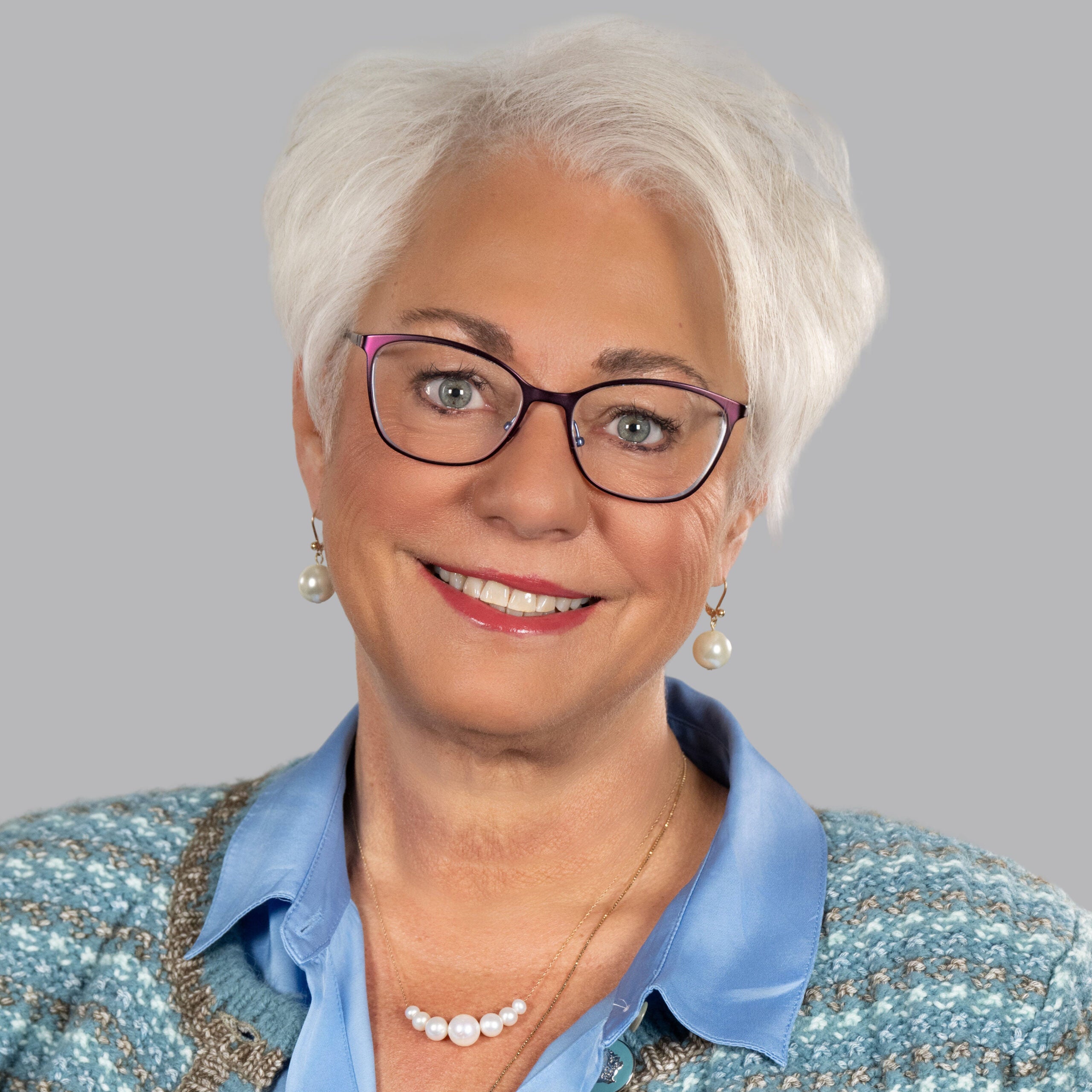
Deb Yoder, RN, MHA, BSN, CNOR, CASC, CEO, Aligned Surgery & Healthcare Consulting
Patient and procedure selection. Ms. Yoder recalled experiences at CV ASCs where staff said they needed certain equipment and supplies that were overkill for the procedure at hand, as well as situations where surgeons and staff wanted to perform procedures they shouldn’t do. “The ASC is that middle ground between the cardiology office-based lab and the whole cath lab in the hospital,” she said. “You need patients who are generally stable. It’s elective. They’re optimized. They’re not going to require extended post-op procedural observation. If patients have decompensated congestive heart failure or other uncontrolled morbidities, they need to stay at the hospital, and the docs need to understand that…Just because the payors and Medicare say we can do it doesn’t mean we should always do it.”
Complex regulatory requirements. The state in which a proposed center will reside makes a huge difference, with various states either more permissive or restrictive about what can be done at a CV ASC. Numerous states still require a Certificate of Need (CON) to build a CV ASC. “You really need to understand your CON and your state license needs,” said Ms. Yoder, stressing that “what’s going on in your state will outweigh anything that Medicare or the feds say. Many states have really unique and some really weird rules about these procedures in this space.”
Financial feasibility. Don’t assume your surgeons will shift appropriate procedure volume out of the hospital to the ASC right away. “Make sure you really understand volumes, your current payor mix, the available resources, and the capital you need,” said Ms. Yoder. “If you don’t have the volumes to support it, it’s never going to work. If you don’t have engaged providers, it’s not going to work.” She added, “Physicians are creatures of habit. Even when they own a center, they don’t turn on a dime and move everything there the next day.” She said it’s important to build volume by engaging the surgeons’ office schedulers—“It’s hard to get offices to change when they’ve been calling the [hospital] cath lab and Susie’s been answering the phone for the last 20 years, and they have a relationship,” she said.
Credential carefully. Since a botched CV procedure could cause death, CV ASC leaders must be extra-careful about the surgeons they bring into the center. “When you’re credentialing docs at your center, make sure they have at least X number of cases under their belt,” said Ms. Yoder. “You do not want a brand-new fellow doing interventional coronaries in your ASC until they’ve proven they can do some of these. You want some docs who are in that sweet spot, who have lived through some of this, and that’s going to keep you safe. If they get into trouble, they know how to get out of trouble. They’ve been in that situation.”
Capital investments. Because CV technology, products, platforms, and procedures are evolving so rapidly, Ms. Yoder recommends leasing before buying in many cases. She tells centers when they start out, “Don’t even look at buying the capital. Let’s look at leases and let’s look at what total costs are, because it’s changing so fast. You can’t get upside down by half a million dollars right out of the gate when the technology changes. It makes sense only when the following align: the case mix is predictable, the surgeons or cardiologists have consistent low-risk patients, and your market can support the volumes.”
Staffing. CV requires more specialized staff than other service lines do. “Do you have enough skilled nurses in the market who are willing to leave the hospital environment and come to your ASC, probably for lower pay than what they had?” said Ms. Yoder. “Do you have the CV techs? Do you have rad techs who have the skills and know how to do cardiac procedures? You’re going to need those experienced people. You’re going to need experienced nurses” who know how to handle potentially dangerous situations during procedures, as well as anesthesia providers for certain procedures.
Partner with a friendly nearby hospital. “You’re going to need a transfer agreement that can absorb any emergencies,” said Ms. Yoder. Additionally, most CV ASC centers don’t have or need an in-house sterile processing department. “They don’t really need it because almost all of their items are consumable or disposables,” said Ms. Yoder. If, for example, the ASC will host ablations and the physicians want to perform transesophageal echocardiograms with scopes afterwards, Ms. Yoder recommends making an agreement with a hospital to reprocess the scopes.
Work with CV ASC experts. Be choosy about the architects, designers and engineers you hire for the project. “It’s really important to work with people who’ve done [CV ASCs] before and understand it,” she said.
There was so much more valuable information in Ms. Yoder’s highly-rated hour-long session. If you’d like to engage her to dive further into everything it takes to open a CV ASC successfully, including other topics she covered such as how to build ORs and procedural areas, negotiating with equipment vendors and payors and more, connect with Ms. Yoder via email or on LinkedIn.