Nationally known for her work in helping current and future nurse leaders to develop their leadership and coaching skills, Rose O. Sherman, EdD, RN, NEA-BC, FAAN, will return to the OR Manager Conference in Denver, Colorado, in October 2022.
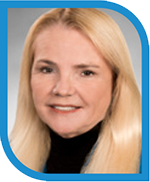
Rose O. Sherman, EdD, RN, NEABC, FAAN
Over the past 2 years, Sherman has done 85 virtual workshops on recruitment and retention for health systems across the country. She is editor-in-chief of Nurse Leader, the official journal of the American Organization of Nurse Executives; an emeritus professor at the Christine E. Lynn College of Nursing at Florida Atlantic University; and a faculty member in the Marian K. Shaughnessy Nursing Leadership Academy at Case Western Reserve University in Cleveland, Ohio.
Before becoming a faculty member, she was a nurse leader with the Department of Veterans Affairs for 25 years at five medical centers. Sherman is a fellow in the American Academy of Nursing. In 2020, she was selected by the American Association of Critical Care Nurses for the Pioneering Spirit Award in recognition of her work in nurse leader development. She presents nationally on nursing leadership topics and conducts nurse leader coach workshops for frontline nurse leaders.
 At the OR Manager Conference, Sherman will present a keynote, titled “Leading a very different perioperative nursing workforce,” and lead a workshop on perioperative recruitment and retention strategies. In preparation for these sessions, she will hold three focus group meetings on the following dates:
• August 23 at 3 pm EST / 2 pm CT / 1 pm MT / 12 pm PT
• August 29 at 3 pm EST / 2 pm CT / 1 pm MT / 12 pm PT
• September 8 at 3 pm EST / 2 pm CT / 1 pm MT / 12 pm PT
“What I’m interested in is real-time information on current recruitment and staffing practices because there are some interesting things going on right now in the job market that are a little bit different,” says Sherman. “One of the things I’m finding is that health systems are planning on hiring thousands of new graduates, and I’m sure the same thing has got to be true for most ORs.”
How will these new graduates be onboarded effectively? How will they be trained? Do health systems currently have the personnel in place to oversee this new workforce? These are some examples of the questions Sherman will gather information on and address during her sessions.
“The retention workshops that I’ve done have shown that some departments are being staffed with 30%–50% permanent staff, and 50%–70% travelers,” she says. “These are unprecedented numbers that have been breaking their budgets and impacting the bottom line, and even then, there still might not be enough staff to meet the kinds of surgical volumes they need to meet.”
Sherman’s focus groups will cover the following questions:
• What are your most significant leadership challenges right now?
• What trends are you seeing with your perioperative nursing workforce, and what has the impact been on OR scheduling?
• Are you hiring new graduates to work in the perioperative area, and what has your experience been with onboarding and retention?
• Has turnover increased in 2022 with your perioperative workforce?
• Are you using travel contracts to fill your core vacancies and your experience with travel OR nurses?
• What leadership content do you want addressed during the sessions?
“The workshop is going to be a drill down into recruitment and retention best practices, and sharing what some of these organizations have put into place,” Sherman explains. “The purpose is to create an environment where attendees can learn from each other.”
“The keynote, on the other hand, will take a close look at what the pandemic has done to the nursing workforce and how leaders need to think about their leadership moving forward,” she adds. “To be a leader today is almost like being an NCAA basketball coach, with the constant turnover we’re seeing.” Nurses in particular, she says, now view their work in a much different light, and conversations about careers are more complex.
“Newer generations think about their careers as being like tours of duty: ‘I’m gonna do this, then I’m gonna do this, so I can arrive at that,’” she says. “Whereas historically people have come to work their whole careers in the OR, now we have younger generations that are really interested in career advancement.” Leaders need to consider: How to create opportunities for these early career nurses? How to keep them from growing restless? If turnover is a problem, how to get people to stay long-term?
“That’s why these focus groups are essential preparation,” Sherman urges. “There are shifts and trends that emerged in the first half of the year already, and the more I learn about the current pain points and struggles, the better I can tailor the sessions to address the pain areas.”
According to Sherman, leaders who are not actively including career planning and career mobility opportunities in their recruitment efforts and pitches are most likely not seeing much success in their hiring prospects. “Right now, that is the most meaningful thing to younger nurses,” she says.
“To give an example of something that’s happening right now,” she continues, “nurse managers are having young graduates come to them when they’ve only been on staff 3 to 4 months and asking to go part-time. Some even say, ‘I don’t do on-call, I don’t work nights, I don’t work weekends.’ This is happening across various specialties, and I want to find out if perioperative leaders are also hearing something similar from their newer staff.”

“Another aspect I’ll address is the retiring workforce because there’s some interesting activity happening there too,” Sherman says. “A lot of organizations are really looking at what they call ‘returnship’ programs, where instead of just letting somebody retire, they put that seasoned professional on an incentive program where maybe they work in the OR part of the time and dedicate the rest of their hours to coaching and/or mentoring.”
This is supposedly a win-win for both the nurses and the organization: the nurses continue on receiving competitive pay and benefits—including their health insurance—and organizations retain the institutional knowledge they need to onboard, train, and build tomorrow’s workforce.
Any OR manager who wishes to participate in one of the focus groups can reach Sherman at roseosherman@outlook.com. Her workshop at the OR Manager Conference will be held on Monday, October 17, starting at 8 am local time.
Attendees who want to familiarize with her lessons ahead of the conference can purchase her books: The Nurse Leader Coach: Become the Boss No One Wants to Leave and The Nuts and Bolts of Nursing Leadership: Your Toolkit for Success.
—Tarsilla Moura


