 Surgery/Specialties
Editor's Note Remote perioperative monitoring (RPM) accelerates recovery and reduces complications following major cancer surgery, according to a randomized trial published on August 28 by npj Digital Medicine and co-authored by researchers at the University of Miami Miller School of Medicine. The study enrolled 293 patients undergoing major abdominal or…

Editor's Note Many widely used supplements and herbal remedies can increase bleeding risk during surgery and should be stopped in advance, according to researchers at Wrocław Medical University. The findings highlight a gap in perioperative safety practices, The Am-Pol Eagle September 18 reports. The study, led by the university’s Department…

Editor's Note Allowing older surgical patients to keep dentures, glasses, and hearing aids until anesthesia and restoring them immediately afterward significantly lowered postoperative delirium (POD) rates, according to a study published in BMC Geriatrics on August 30. The prospective before-and-after trial followed patients aged 70 and older undergoing hip fracture…

Editor's Note Patients with BMI 40 or higher had similar 24-hour and 1–90 day complication rates to lower-BMI patients after primary total joint arthroplasty (TJA) performed at an academic ambulatory surgery center (ASC), an August 25 article from The Journal of Arthroplasty reports. The study retrospectively analyzed 2,367 primary THA…
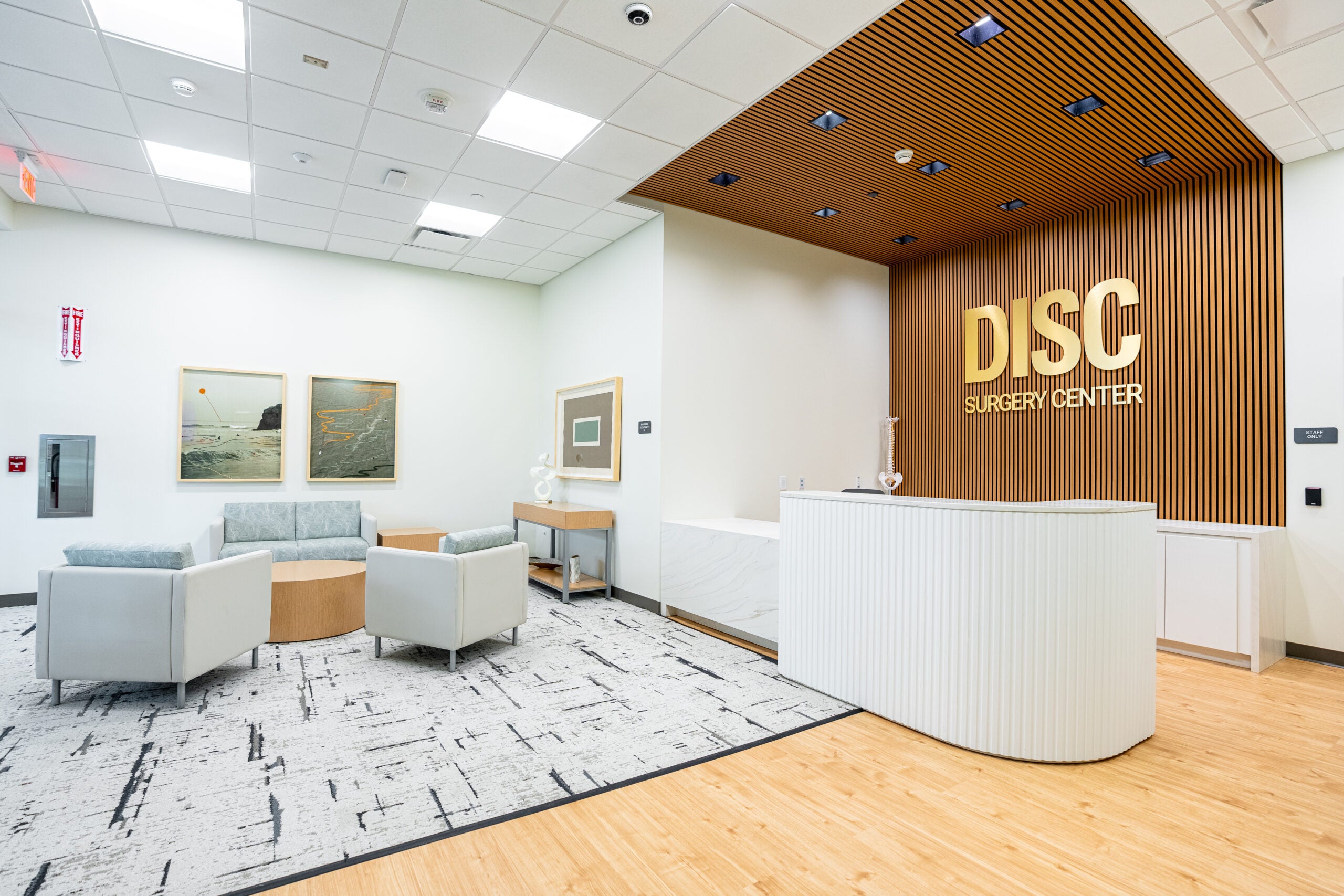
Growth is the goal in any ASC—growth in volume, growth in profits, and often growth to new locations. For DISC Surgery Centers, which just opened its sixth ambulatory surgery center (ASC) through parent company TriasMD, that growth has been the result of many factors. A key driver, according to Frank…

Editor's Note Colorectal tumors once considered inoperable are now routinely treated with curative surgery, thanks to advances in multimodality therapy and complex resection techniques, Mayo Clinic September 16 reports. Decades ago, cancers invading the sacrum, pelvic organs, or major blood vessels were often deemed unresectable, leaving patients with only palliative…

Editor's Note The Centers for Disease Control and Prevention (CDC) expects that COVID-19, influenza, and RSV will together drive a similar level of peak hospitalizations this fall and winter compared to last season, according to a CDC August 25 outlook. The assessment, updated every 2 months, provides a baseline for…

Editor's Note Older age alone should not exclude patients from ambulatory general surgery. A retrospective study published in Cureus on August 27 found that patients over 75 undergoing short-stay general surgical procedures experienced complication and reintervention rates comparable to younger peers, despite higher comorbidity and anesthetic risk scores. The analysis…

Editor's Note Artificial disc replacement (ADR) no longer requires a hospital stay. In one of the largest analyses to date, a California surgical team reviewed 1,043 outpatient ADR cases over 6 years and found zero immediate hospital transfers, zero transfusions, and every patient discharged home in under 24 hours, LA…

Editor's Note Pulmonary embolism (PE) and deep vein thrombosis (DVT) are rare after same-day surgeries, but when they occur, they carry high risks of death and readmission. According to Anesthesiology News May 12, a University of Texas Southwestern Medical Center analysis of more than 1.1 million outpatient procedures found an…