Immersed in texts, apps, QR codes, and streaming videos, we live in a digital world. And yet, healthcare has been slow to catch up. Most nurses and other staff still hand out packets of paper and relay information verbally, whether in person or over the phone.
It does not have to be this way. Investing in the latest digital tools—particularly customized, pre-recorded video communication—can improve the perioperative experience for both patients and caregivers while also adding to the organization’s bottom line.
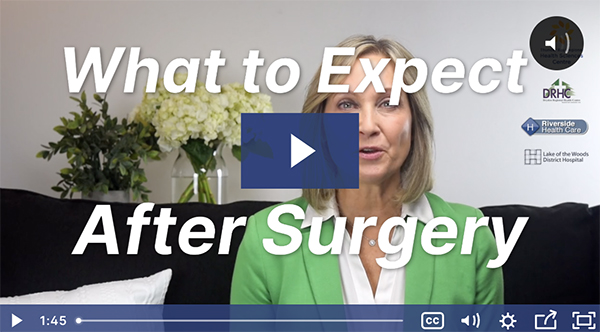
Clinicians and staff repeat pre-op and post-op information over and over again. Interactive video technology automates this communication, freeing up clinical staff while also improving adherence. Patients appreciate the ability to rewatch as many times as needed, with their caregivers and in their own language.
Is calling patients the best use of nurses’ time? How many patients actually read that paper packet? Based on conversations with perioperative leaders throughout the country, at least half of a 1-hour preoperative call could be redundant across the patient population. Saying the same things on every call can lead nurses to go on autopilot and potentially miss something.
Meanwhile, patients are sick and stressed. Information essentially goes in one ear and out the other. When they show up, they aren’t 100% prepared. They are late. They are still wearing jewelry. They have not arranged a ride home. They are anxious. It turns out they did not follow the prep instructions and ate breakfast. Just like that, the case is cancelled. In addition to poor adherence, same-day cancellations, and poor outcomes, such scenarios also impact our patient experience scores.
The patient’s caregiver is another important piece of the puzzle. This person may be a husband, wife, parent, or child. They are often involved from the moment they drop the patient off for surgery, providing transportation home and support throughout postop care. Although caregivers should receive the information too, they are often not present for the preop phone calls or appointments. They will have to ask for details later, relying on the documentation and the patient’s perhaps limited recollection. They may call or send a message to the nursing staff.
This story plays out every day across hundreds of thousands of procedures. However, these problems can be solved by investing digitalized, automated messaging tools that can enable delivering much of preop and postop care asynchronously; that is, patients review the information on their own time.
Instead of sending paper packets or directing patients to Google or YouTube, perioperative leaders can have custom-made, asynchronous videos pushed to their patients to guide them on successful preop and postop care at their organization. Clickable buttons and digital teach-backs confirm the patient understands surgical instructions. Visibility into videos’ analytic performance and patient engagement also can facilitate improvement over time.
With wider adoption of asynchronous video tools, the future of surgical care delivery will become:
• More digitized: We will transform phone calls and paper packets into emails, text messages, website pages, portal messages, apps, and videos.
• More automated: Upon scheduling a surgery, messages with video links will be launched at specific times in the patient’s journey through those digital channels.
• More standardized: Relying on technology to deliver messaging to patients reduces process variability and the risk that comes with it; frees time for clinicians and staff; and helps ensure consistent, high-quality messaging.
• More data-driven: Analytics will be vital to ensure messages are sent, received, and understood by patients and their caregivers.
Instead of lengthy phone calls and paper packets, let’s envision the following steps as a new preop scenario:
Post-procedure communication can work similarly. As a better use of nurses’ time, leveraging asynchronous video communication could reduce burnout and enable seeing more patients. Improving patient adherence helps ensure cases start on time and limit same-day cancellations. Patients and caregivers are also likely to have a better experience, which will be reflected in higher scores and positive patient comments.
Here are some things to think about for healthcare providers considering investing in asynchronous video:
To get started with this digitalization and automation, take small steps. Bring in experts to help you. Make sure to start with your strategic goals and infrastructure. From there, build out the processes behind the scenes until you are ready to commit to changing workflows.
Someday there will be no verbal repetition by nurses. Rather, they will be focused entirely on individualized care. The repetition will all be automated into digital channels with video technology for patients and their families to peruse themselves. For evidence of that, ask those who are already moving in this direction.
 —Meghan Nechrebecki, MSPH, is the founder and CEO of HCT Digital Care. She is an expert in digital health and has more than 15 years of experience with driving systemic change in healthcare organizations.


