More than 1,200 individuals from the US and abroad attended the 2016 annual conference of the International Association of Healthcare Central Service Materiel Management (IAHCSMM) in San Antonio, Texas. The conference, which covered sterile processing techniques, management skills, and regulations, also provided numerous networking opportunities.
Preconference educational events included IAHCSMM’s first-ever comprehensive workshop for processing flexible endoscopes. Attendees flocked to the see-through scopes that allowed them to view the internal workings of the sophisticated device.
The workshops began with a presentation by epidemiologist Cory Ofstead, MSPH, president and chief executive officer (CEO) of Ofstead & Associates, Inc, Saint Paul, Minnesota. She discussed circumstances leading to patient exposure to contaminated endoscopes and described the potential for transmission of multi-drug-resistant organisms from contaminated endoscopes.
Residual contamination commonly remains on flexible endoscopes used for urology, respiratory, and gastrointestinal procedures after reprocessing, she said. In addition, she discussed the use of rapid indicators, microbial cultures, and borescope examinations to monitor endoscope reprocessing.
Four hands-on workshops addressed point-of-use treatment and transport, manual cleaning and cleaning verification, disinfection or sterilization, and transport and storage.
In each breakout session, leaders guided participants through the critical steps of flexible endoscope processing. In addition, an educators’ update for certified registered central service technician (CRCST) was held. Attending this update satisfies one of the conditions for being a CRCST instructor and provides the skills instructors need to enhance their students’ learning experiences.
During the hands-on labs and workshops, experts demonstrated the latest techniques and best practices related to healthcare instrument processing and the methods to take central sterile (CS) personnel to the next level. This year’s preconference labs included care and handling of laparoscopic instruments, fluorescence-based protein detection testing on surgical instruments, coaching: getting to the next level, developing a quality management system for decontamination, and writing for publication.
General education sessions addressed a mix of clinical, regulatory, and human resources issues such as wasting diseases, steam, and problems related to temperature and humidity levels; certification; and peer feedback and bullying.
Keynote speaker Jake Poore, president and CEO of Integrated Loyalty Systems, and former marketing and business development executive for the Walt Disney Corp, kicked off the conference with a spirited message about the power of serving as a “connected care team” and remaining committed to the mission of providing quality service to best serve the patient.
Poore has witnessed firsthand how CS professionals are often “the unsung heroes of the healing experience.” Although the patient lies at the heart of every CS professional’s purpose, Poore acknowledged that the patient isn’t the only customer.
He related an incident in which a surgeon, during his third open heart procedure of the day, noticed a key instrument in the tray was missing. “This happened after the patient’s chest was already cracked open,” Poore said, adding that the surgeon unleashed his frustration on the CS team. It was a moment that showed how closely related the two departments are, but also how actions may promote disconnectedness and, ultimately, negatively impact the patient experience.
In other sessions, renowned experts presented the latest practices, techniques, and sterilization standards. Here are some of the highlights.
David Perrett, PhD, presented a method that can reveal protein residues on instrumentation in 3-D and allow their quantification. This system can detect residual protein at the nanogram level. The method was developed at Barts & the London School of Dentistry and Medicine, where Perrett is a professor of bioanalytical science.
Wava Truscott, PhD, explored the complex topic of biofilms. Truscott is president of Truscott MedSci Associates, LLC, an independent and educational advancement company. She explained that biofilms incapacitate immune cells, repel antibiotics, and provide protective breeding grounds for resistant strains, making it difficult to remove pathogens from surfaces. Participants learned how to destroy the formation of biofilms and remove them.
Terri Goodman, PhD, RN, CNOR, explained how functions provided by a CS department have a significant impact on patient care. Goodman, a perioperative registered nurse specializing in designing and presenting continuing healthcare education, discussed the importance of proper instrument processing practices and the crucial elements of an effective competency program for instrument processing.
Natalie Lind, education director for IAHCSMM, discussed the International CSSD (central sterile supply departments) Exchange Program along with two individuals from 3M Health Care: Andres Scherson, MSc, MPH, CSPDS, scientific affairs and education manager, and H. Cem Yurttas, PhD, global manager of scientific affairs and education. This travel exchange program pairs a US hospital with a hospital in another part of the world and enables participants to spend a week at each other’s facility to learn about best practices.
Standards and regulations are continually being revised, and CS technicians and leaders must stay informed about these revisions. Presenters shared insights into current standards and regulations required by organizations such as the Association for the Advancement of Medical Instrumentation (AAMI), American National Standards Institute (ANSI), Centers for Disease Control and Prevention (CDC), Centers for Medicare & Medicaid Services, Food and Drug Administration (FDA), and the Joint Commission.
• ANSI/AAMI ST9—Flexible and Semi-Rigid Endoscope Processing in Health Care Facilities (Mary Ann Drosnock) focused on processing flexible endoscopes in accordance with this AAMI standard.
• AAMI Update (Susan Klacik) covered all the regulation and standard activities that affect a CS department, notably the standards released by AORN and the Society of Gastroenterology Nurses & Associates, as well as the FDA hearings on flexible endoscopes. The Intersocietal Accreditation Commission Standards and Guidelines for Adult Echocardiography Accreditation and the requirements for processing transesophageal probes and recommendations for cleaning implants were also addressed.
• Mixed Messages: Deciphering Conflicting Standards and Recommendations (Rick Daussat) explained how to decide the best course of action between manufacturer’s guidelines, recommended practices, governmental regulatory bodies, and facility policies.
• Making the Most of Accreditation Surveys and Internal Audits (John E. Eiland) described how recent citations for reprocessing breaches and publications put out by the FDA, CDC, and AAMI have highlighted the need for commitment to quality in sterile processing and endoscopy units. Attendees learned how to set up a solid reprocessing program and prepare for audits.
• Introduction to Reprocessing Medical Devices in Healthcare Settings: Validation Methods, Labeling, and Guidance for Industry and FDA Staff (Steven Turtil) provided an introduction and overview of the recent FDA document for medical devices, including its impact on sterile processing.
• Rose Seavey, MBA, BS, RN, CNOR, CRCST, CSPDT, conducted a roundtable discussion with CS and infection prevention experts on a study of sterilized rigid containers and wrapped instrument trays to prevent bacterial ingress.
• Josephine Colacci, JD, IAHCSMM director of governmental affairs, announced that Connecticut passed House Bill No. 5913 requiring certification of CS technicians in that state.
The 124 exhibitors showcased the latest products, equipment, and services. Some vendors offered continuing education, and 65 educational posters were on display.
Closing keynote speaker Karyn Buxman, MSN, RN, CSP, CPAE, encouraged the use of humor to create a more positive, healthy, and happy life—both personally and professionally—and to keep matters in perspective amid the daily stresses and challenges.
The 2017 IAHCSMM Conference will be held at the Gaylord Opryland Resort & Convention Center in Nashville, Tennessee, May 7-10, 2017. To learn more, visit www.iahcsmm.org. ✥
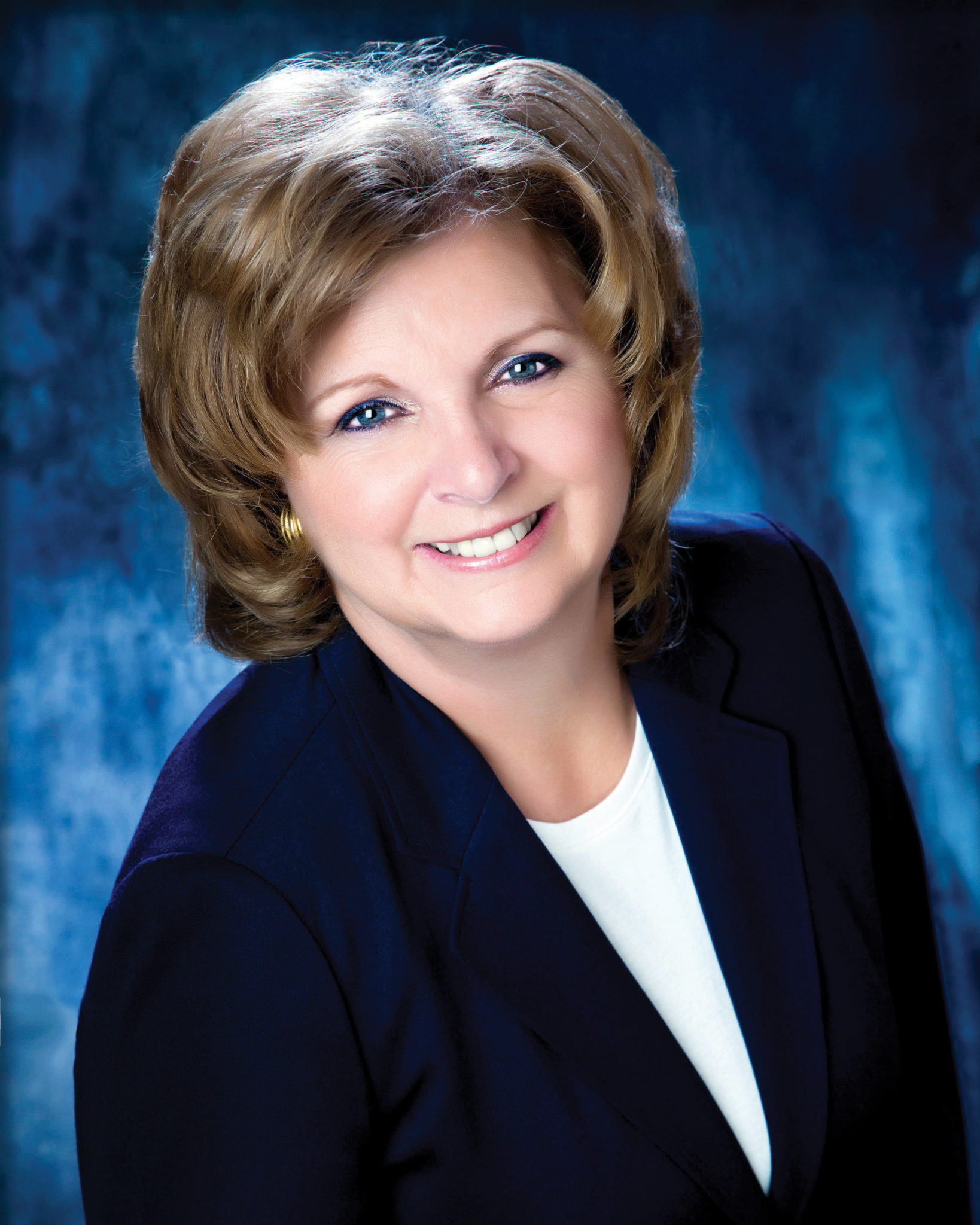 Susan Klacik, BS, ACE, CHL, CRCST, FCS, is president, Klacik Consulting (Klacik.consulting.com), in Canfield, Ohio, and CSS manager at St Elizabeth Health Center and the IAHCSMM (International Association of Healthcare Central Service Materiel Management) representative to AAMI (Association for the Advancement of Medical Instrumentation).


