 Legal/Regulatory Issues
 WZTV-TV in Nashville reports that it received an email from Vanderbilt University Medical Center (VUMC) stating that it is halting gender-affirming plastic surgeries for adults. VUMC is in the process of contacting impacted patients regarding the new policy changes, says the TV station, which adds that VUMC released this statement on…
Two U.S. Congressional Representatives – Dave Taylor (R-OH) and Carol Miller (R-WV) – last week introduced a bill that they hope becomes a law called the Defend Rural Health Act. The bill aims to “protect the integrity of federal rural health benefits” by eliminating the “dually classified” loophole that the two…

In its 2026 Final Payment Rule, CMS added 573 codes to the ASC Covered Procedures List (ASC-CPL). It’s a big win for the Ambulatory Surgery Center Association (ASCA) and its advocacy efforts. Kara Newbury, JD, ASCA’s chief advocacy officer, first and foremost views the rule through the lens of Medicare…
On Dec. 29, The Centers for Medicare & Medicaid Services (CMS) announced that it will award all 50 U.S. states funding under its Rural Health Transformation (RHT) program “to strengthen and modernize health care in rural communities across the country.” The initiative is intended to provide what the government estimates is…

It is no long best practice to deliver education via a traditional lecture with PowerPoint slides or an unimaginative online learning module. “These techniques are boring and not effective,” says Beverly Kirchner, MSN, BSN, RN, CNOR(E), CASC, chief compliance officer for SurgeryDirect, LLC. “Staff just listen or read the information,…

Volunteering is, at its core, about giving back. Yet many volunteer opportunities also create pathways to elevate one’s career and professional identity. At the American Board of Perianesthesia Nursing Certification, Inc (ABPANC), nurse volunteers grow both personally and professionally, gaining new knowledge, forming connections, and finding renewed purpose and emotional…

Artificial intelligence (AI) has made inroads into nearly every area of healthcare. With nursing shortages continuing—marked by the loss of some 100,000 nurses following the COVID-19 pandemic and projected deficits of 20% or more in some states—AI-based tools that improve access to information, streamline efficiency, monitor patients, track procedures, and…
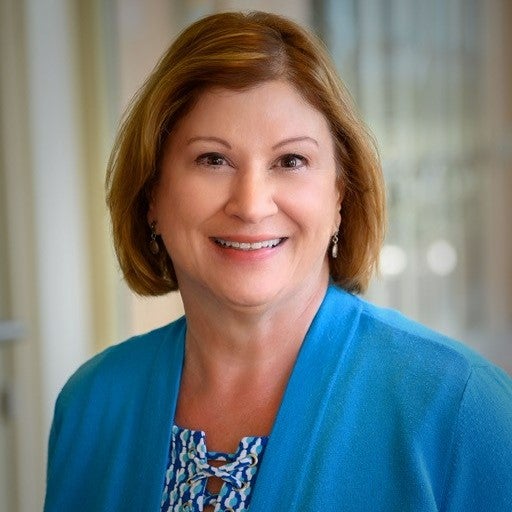
What happens when a veteran perioperative leader walks away from the 24/7 responsibility of hospital operations, but not from the work she loves? For Stephanie Davis, MSHA, RN, CNOR, CSSM, former vice president of surgical services at HCA Healthcare, it meant reshaping her role from full-time healthcare executive to expert…

Know the law. It could save your patients’ lives and your staff members’ practices. This is the advice of several medical legal experts to OR leaders to prevent lapses in patient protections that risk injury or even death. Beyond ensuring safe surgery and preventing litigation, perioperative nursing experts who advance…

When Phyllis Quinlan, PhD, RN, NPD‑BC, founded MFW Consultants in 1994, she was already on her third career pivot. The former social‑work intern turned emergency‑trauma nurse discovered that the high-stakes of the emergency department (ED), coupled with her human‑behavior insights from sociology and psychology degrees, gave her a rare vantage point on how…