 Safety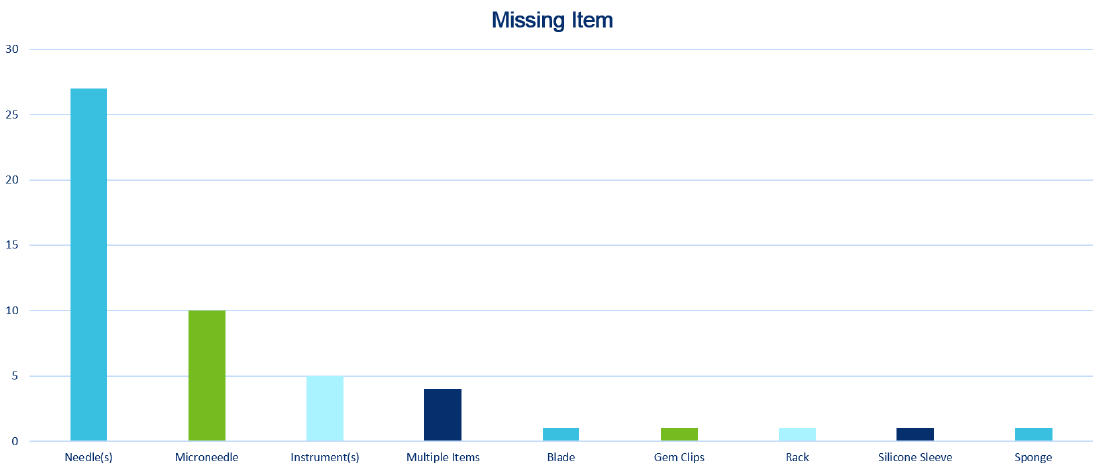
Count discrepancies of surgical items, commonly known as “miscounts,” have been reported since 1882, and they continue to occur despite implementation of professional guidelines for preventative strategies. The stakes remain high, as miscounts can lead to patient harm, increased costs for both patients and facilities, and reputational damage for facilities…
A new report jointly published by KFF Health News and NPR takes a closer look at how “violence against healthcare workers and staffing shortages” are fueling hospital strikes. Some takeaways from the story: “The prevalence of workplace violence in healthcare has fueled strikes in states such as Louisiana, New York,…
The American Association of Nurse Anesthesiology (AANA) has launched a patient education resource called Anesthesia Answers, which it states was created by certified registered nurse anesthetists (CRNAs) and nurse anesthesiologists to “help patients and their families navigate one of healthcare's most misunderstood topics: anesthesia.” Available at AnesthesiaAnswers.org, it addresses common…
Responding to the reported medication errors that harmed patients who were undergoing joint replacement surgeries at a Nashville hospital, the Society for Obstetric Anesthesia and Perinatology (SOAP), the Anesthesia Patient Safety Foundation (APSF) and the American Society of Anesthesiologists (ASA) Friday “reaffirmed that spinal anesthesia remains a safe and essential…
A devastating medication error that impacted four surgical patients at Ascension Saint Thomas Midtown in Nashville, Tenn., received a large amount of mainstream media attention over the last week—reminding perioperative leaders of the critical importance of medication safety protocols. CBS News affiliate WTVF-TV reported that “at least four people went…
Cleveland Clinic this week promoted a study by its researchers that found that reducing air turnover in unoccupied ORs “can significantly decrease electricity use and costs without negatively affecting clinical outcomes,” including “no association with increased surgical site infection, mortality or ICU admission. The study was the subject of a…
In an opinion piece called “Keeping Our Defenses Up Against Cyberattacks,” American Hospital Association (AHA) President and CEO Rick Pollack links cybersecurity to patient safety. Mr. Pollack notes that there has been a “troubling increase in cyber threats perpetrated by international cyber gangs and state-sponsored hackers this summer” who are…
UVA Health researchers have discovered how a form of postoperative delirium that often strikes older patients “may set the stage for dementia—and identified a drug that could reverse the underlying brain changes,” according to a post by the health system. The researchers found that “anesthesia, surgery and intensive care stress…
Hospitals and ASCs are always planning for disaster response, but there is virtually no way this OR team could have fully prepared for this one. What’s remarkable, however, is how the team instinctively reacted in the moment as a powerful earthquake struck Kumamoto General Hospital in Japan while a surgery…
Researchers from Samuel Merritt University College of Nursing have published a study in Journal of PeriAnesthesia Nursing about a quality improvement project that examined the degree to which the implementation of a fall risk protocol in an ASC would impact staff nurses’ compliance. The protocol, which was introduced to a…