 Surgery/Specialties
Editor's Note Safety-net hospitals treat a disproportionate number of patients with advanced appendicitis and use laparoscopy less often, but their rates of morbidity and costs are similar to other hospitals, this study finds. In this analysis of 349 nonfederally funded hospitals in California performing 274,405 appendectomies, safety-net (compared with non-safety-net)…
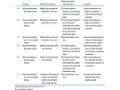
Editor's Note The American Society of Colon and Rectal Surgeons and the Society of American Gastrointestinal Endoscopic Surgeons have jointly published new clinical practice guidelines on enhanced recovery after colon and rectal surgery. The enhanced recovery protocol is multidisciplinary, including physicians, nurses, physical therapists, and dietitians and involves all aspects of care…

Editor's Note Four new performance measures are available for the Joint Commission’s Total Hip and Total Knee Replacement (THKR) advanced certification program, the Joint Commission announced on July 5. They are: THKR-1 Regional anesthesia THKR-2 Postoperative ambulation on the day of surgery THKR-3 Discharged to home THKR-4 Preoperative functional/health status…
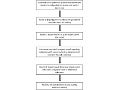
Editor's Note Development of and adherence to quality indicators by providers may improve the quality of emergency general surgery, for which current outcomes are modifiable, finds this study. Of 25 quality indicators developed and rated as valid, there were 13 for patient-level and 12 for hospital-level quality. Adherence with 18…
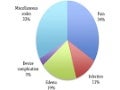
Editor's Note Emergency department (ED) visits after total joint procedures were numerous and mostly for pain-related diagnoses, and Medicaid patients had almost double the risk of an ED or pain-related ED visit, this study finds. Of 152,783 patients analyzed, 3.42% returned to the inpatient setting and 5.81% visited the ED…

Editor's Note The combination of two molecular biology tests is the first to distinguish, with near certainty, pancreatic lesions that mimic early signs of cancer but are completely benign, this study finds. The vascular endothelial growth factor-A test alone singled out benign serious cystic neoplasms with a sensitivity of 100%…
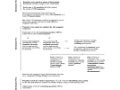
Editor's Note Cardiac surgical team members recognize distinct critical time points during cardiac surgery, but a high degree of variability exists between members as to the importance of these times, which suggests an absence of a shared mental model, this study finds. Cardiac team members from three institutions developed a…
Editor's Note Hospitals with rectal cancer programs may now earn accreditation from the new National Accreditation Program for Rectal Cancer (NAPRC), the American College of Surgeons (ACS) announced on June 21. NAPRC is based on successful international models that have resulted in better outcomes and emphasize a multidisciplinary team approach…

Editor's Note In this single institution study, the most common reasons for unplanned return to the OR (uROR) were infection and hemorrhage. However, the researchers found that a large number of cases were incorrectly classified as uROR, when they were instead planned reoperations without adequate documentation. Using uROR as reported…
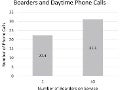
Editor's Note Surgical ICU patients boarding in alternative ICUs because of overcrowding are often seen at the end of rounds, receive fewer face-to-face assessments from physicians, and are given less bedside attention by ICU provider teams, this study finds. The researchers found that: caregivers spent about 16% less time on…