Perhaps no other departments in a hospital work as closely together as the OR and the sterile processing department, yet friction isn’t uncommon as both areas strive to meet service demands. Although the relationship between the two is unlikely to ever be free of tension, leaders of both departments increasingly recognize the need to forge a strong partnership that benefits hospitals, staff, leaders, and—most importantly—patients.
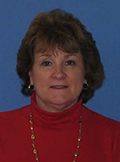
Deborah Spratt, MPA, BSN, RN, CNOR, NEA-BC, CRCST, CHL
It’s not easy to build an effective partnership between the two departments. “I have watched the struggle between the OR and central supply for many years,” says Deborah Spratt, MPA, BSN, RN, CNOR, NEA-BC, CRCST, CHL, director of surgical services at United Memorial Medical Center (UMMC) in Batavia, New York. “They have some competing goals.”
OR staff want instruments cleaned and returned to the OR as quickly as possible, but the sterile processing department (SPD) has to supply instrumentation for multiple rooms yet ensure that manufacturers’ guidelines for processing instruments are being followed.
“The number one barrier is ineffective communication,” says Ellen Lord, MS, RN, CNOR, a nurse consultant based in Denver who has worked with many ORs and SPDs. “With the pace of ORs and sterile processing today, when I look at the complexities of perioperative services and the complexities and technology involved in sterile processing, that foundation really constitutes the beginning of the communication barrier.”
That barrier includes a lack of communication between the OR’s scheduling department and the SPD about upcoming equipment needs.
“That’s particularly problematic with loaner equipment,” says Cathy Hayton, CRCST, CHL, secretary/treasurer for the International Association of Healthcare Central Service and Materiel Management (IAHCSMM) and manager of sterile processing at Evergreen Medical Center in Kirkland, Washington.
“Although we have come a long way, there is still the misconception that we are mind readers who should know what is needed in the OR without having the necessary communication,” Hayton says.
Basic cultural differences in the two areas also create barriers, according to Lord. “They [the two departments] operate on a different time schedule and speak a different language,” she says. “When OR staff call down at 7 am and get someone who is going off the night shift, they can’t understand why the person isn’t eager to help.” The busiest time in the SPD is the night shift compared to the day shift for the OR.
The good news is that OR and SPD leaders can take specific steps to break down barriers.
To borrow from the classic refrain from real estate, leaders say the most important step to overcoming barriers is “communication, communication, communication.” That means creating opportunities for staff and leaders from both areas to connect.
Lord says that teambuilding is essential to promote a healthy relationship, starting with the morning huddle or shift report. She recommends having a representative from the SPD attend OR huddles and a representative from the OR attend SPD huddles. At UMMC, Spratt says, the SPD quality representative attends morning huddles to share any concerns and to discuss multiple cases where quick turnover of instruments will be needed.
Another strategy is applying the specialty team concept to the SPD. “You can use specialty teams in the SPD that mirror those in the OR,” Lord says. The teams can then better learn what each needs.
Building a team just doesn’t apply to staff. “Having a biweekly leadership meeting, or daily as needed, with all managers is very helpful,” Hayton says. “Our newest strategy is rounding on both areas to identify potential problems.”

Cathy Hayton, CRCST, CHL
Helping staff to understand one another’s job also can help smooth a bumpy relationship. “People will be more patient with staff in another department when they know them by name,” Spratt says.
One way to help staff connect is through cross orientation and job shadowing. “I strongly endorse shadowing,” Lord says, but notes the experience must be well structured. “The strategy is given lip service, but isn’t always well executed.”
Tips for creating an effective experience include:
• choose a person with expertise to provide the experience
• use a tool to record what was done
• provide feedback to the individual who provided the experience and to the person who did the shadowing.
Shadowing is also helpful between specialty teams. Spratt says that instead of adding the shadowing experience in orientation, it’s better to wait until staff are settled into their roles so they can see how they fit into the larger picture.
By spending time in the OR, staff in the SPD can better understand the need for clearly indicating missing instruments and resolving problems such as holes in wrappers or missing sterilization indicators, especially for implants.
When OR staff spend time in the SPD, Spratt says, “It gives them an appreciation of how hard a job it is. They see the instruments caked with blood and covered with bone, and they should know they need to keep instruments clean during the case.”
“Partnering in Lean workshops and committees to improve processes is an effective relationship-building strategy,” Hayton says.
Lord suggests creating a multidisciplinary team for process improvement, which also helps prepare for surveys from accrediting bodies. “You can look at needs that aren’t just department driven,” she says. That might include start times and accuracy of case carts (sidebar, p 20).
Spratt says OR and SPD staff at UMMC collaborated on a project addressing efficiency and first case starts, including instrument turnover, and another project had a registered nurse first assistant working with an SPD staff member to review trays and develop a list of missing instruments so that replacements could be purchased.
Clinical rounds are another way to improve processes, and Lord recommends including SPD representatives to discuss instrument issues. “It’s more difficult to find a piece of time to do that, but you can try doing it at a scheduled inservice time,” she suggests.
An alternative is to create an online experience. For example, at one hospital where Lord worked, staff wrote up a case and put it on the intrahospital network. Staff from the OR, the postanesthesia care unit, and the SPD contributed information about the case.
Leaders also need to recognize the SPD’s value to an organization. “SPD staff commonly feel they aren’t valued or recognized by the organization, but when I talk with CNOs and CEOs about this, they’re surprised because they definitely value them,” Lord says.
“SPD staff are akin to airline mechanics. In the past, they were not seen as professionals or as knowledgeable as direct patient care providers, but we’ve learned that just as you could have a crash if the mechanic doesn’t do the job, if you have a problem with instrumentation in the SPD, it’s a major problem. Their work has a huge effect on the patient safety,” Lord explains.
Spratt notes that many people working in the SPD did not start their careers in that role. They may have transferred from housekeeping, dietary, or other support services. In the past, formal educational opportunities to prepare staff for employment in the SPD have been lacking, but this is changing as resources become available from organizations such as IAHCSMM.

Ellen Lord, MS, RN, CNOR
Education and certification in the specialty area can facilitate good relations between the OR and SPD by increasing the knowledge base.
“The person who holds the purse strings has to support educational activities for both the OR and the SPD,” Lord says. “I find that a lot of times, financial support for outside activities is focused on the OR. SPD gets the crumbs.”
That may change as states adopt continuing education requirements for SPD staff. For example, Spratt notes that SPD staff in New York are required to become certified and earn continuing education credits. “It’s a very technical job,” she says. “Staff need constant education and reinforcement.”
According to IAHCSMM, New Jersey is the only other state that currently requires certification, although the organization is working on introducing legislation in other states.
When it comes to internal educational programs, leaders should consider a time that works for both departments, which Lord says can be a challenge. “To do an educational session at 7 am works great for the OR but not so well for the SPD,” she notes. “In the SPD, when other people aren’t working, you’re working.”
Having staff from both departments attend the same educational program helps forge connections by providing opportunities for networking during lunch or on breaks.
Lord recommends designating an educator for the SPD. Although some facilities assign both the OR and the SPD to one educator, in her experience, she says, it’s hard to find someone well versed in both.
Certification also can help improve collaboration by documenting that each discipline has a well-defined body of knowledge. Lord recommends hiring staff who are certified, if possible, and providing educational opportunities for all staff.
“SPD staff are gaining more respect each day for the vast, specialized knowledge they must possess in order to perform their daily tasks safely, consistently, and effectively—and keep patients safe from infections,” Hayton says. ✥
References
New York governor signs patient safety bill into law. Infection Control Today. August 2, 2013. http://www.infectioncontroltoday.com/news/2013/08/new-york-governor-signs-patient-safety-bill-into-law.aspx.
Deborah Spratt will be a presenter at the OR Manager Conference, October 7-9, in Nashville. Visit www.ormanagerconference.com.
The perioperative services department at Memorial Sloan Kettering Cancer Center (MSKCC), New York, was facing challenges familiar to many OR leaders. Coordination of the daily critical support provided by the sterile processing department (SPD) was the root cause of some of these challenges; examples include obtaining instrument trays from the SPD in a timely manner and increased use of immediate-use steam sterilization (IUSS).
At MSKCC, which has 21 main ORs, one brachytherapy suite, and seven same-day surgery rooms, more than 20,000 cases are performed each year.
In March 2013, the OR and SPD managers formed a process improvement committee comprising frontline staff from both the OR and the SPD. The group was tasked with developing and implementing solutions for these entrenched challenges while providing monthly progress reports to the leadership committee. One example of their success: Accurate preparation of case carts for first case starts rose from 60% to 100%.
The task force includes representatives from OR nursing, the SPD, and support services (OR nursing assistants).
Mary May Saulan, MSN, MPA, RN, CNOR, nurse clinician at MSKCC chairs the task force with two other cochairs. Lystra Swift, manager of the OR, Gregory Craigg, manager of OR support, which includes the assistants; and Hector Ottey, manager of the SPD, serve as consultants to the task force.
“You have to include the frontline staff,” Saulan says, noting that having the task force consist of all frontline staff is key to its success. “Any attempt to develop solutions without their input is a sure recipe for failure.”
The team meets every other Friday for 90 minutes, and staff are relieved from their assignments so they can attend. “We discuss many issues such as problems with holes in wrappers, and new products that are potential solutions for some of these issues,” Saulan says.
Another success was reducing the use of IUSS. The nurses assigned to each OR, in collaboration with the OR charge nurse, follow a defined communication plan in working closely with the SPD to ensure the daily needs for various instrument trays are met.
The task force also collects data to identify which instruments most often undergo IUSS so that additional instruments and trays can be incorporated into each annual budget. Goals and measureable outcomes are built into the task force’s projects.
Saulan says the key to success is collaboration and communication. For example, nursing assistants who work the night shift in the OR check the inventory for individually packaged instruments and communicate with staff in the SPD about what is needed. The SPD can then process the instruments so they are ready before the first case of the day.
Making personal connections also helps. “We put faces to the names you talk to on the phone,” Saulan says. Team members update their respective departments about task force activities.
The task force’s efforts have paid off in improved productivity and a better working relationship between staff. In the end, Saulan says, both departments have the same goal: “They want to serve the patient.”


