 Legal/Regulatory Issues
From sharps and blood-soaked surgical instruments to discarded anesthetic agents, biohazardous waste from ORs can threaten human health and the environment. In addition, failure to adhere to regulatory requirements can result in significant fines. However, the volume and diversity of biohazardous waste can create challenges with managing this material. Mitigating…
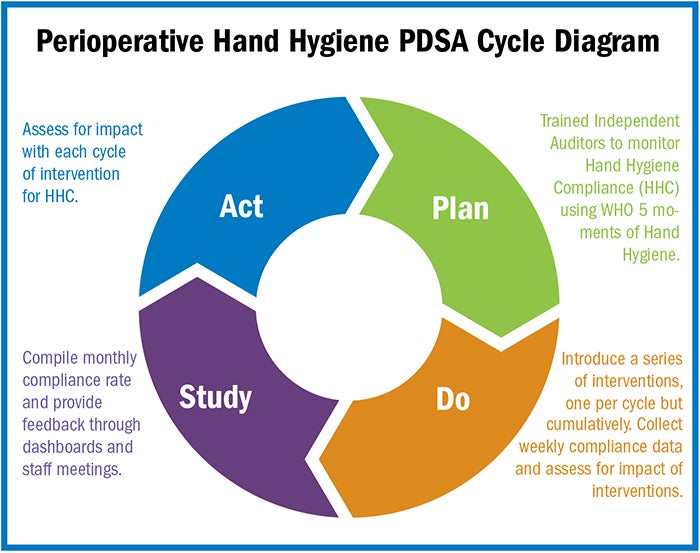
It is often said that small actions lead to big results. This so happens to be the case with hand hygiene compliance (HHC) in healthcare. Imagine a simple act, like washing hands, cutting infection rates by half—hospital-acquired infections (HAIs) and surgical site infections being reduced simply by improving handwashing behaviors.…
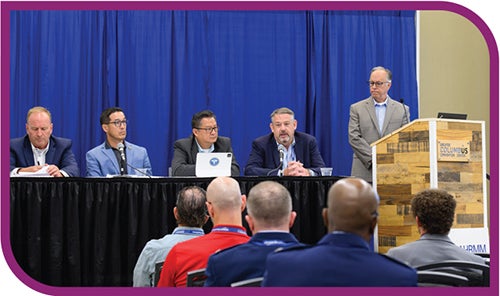
Takeaways • Interdepartmental collaboration and standardized communication are essential to quickly identifying and addressing supply chain challenges. • Just-in-time inventory strategies have gained traction since the pandemic. Successful strategies involve leveraging data, rethinking preference card management, and shifting to a demand-planning model. • Resiliency is essential to cope with the…
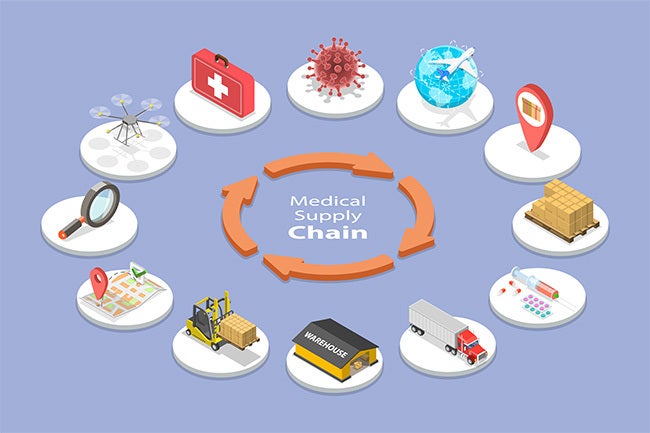
Ensuring safe, quality care requires precise alignment among inventory levels, delivery schedules, storage solutions, and every other element of the supply chain. A single missing piece of this puzzle—say, a delayed shipment or a storage issue—can disrupt the entire picture. Making the pieces fit can be difficult for any healthcare…

Takeaways • Requirements for improvement and condition level deficiency findings have been trending up in recent The Joint Commission surveys. • The scoring trends and OR hot spots focus on infection control, medication management, national patient safety goals, post-surgical electronic health record tracers, and transplant (tissue) safety. • Federal regulations,…

“Surgeons are the only people trained to provide surgery—life-saving care," says Carrie Zlatos, chief of legislative and political affairs at the American College of Surgeons (ACS). "They are an essential element of a community-based healthcare system. Regardless of where you live, everyone should have access to full quality surgical care.”…

Although certification can be a career accelerator for any nurse, perioperative nurses in particular appear to be getting the message. Consider the most recent data from the American Board of Perianesthesia Nursing Certification, Inc (ABPANC), which offers the Magnet-recognized Certified Postanesthesia Nurse (CPAN) and Certified Ambulatory Perianesthesia Nurse (CAPA) credentials.…
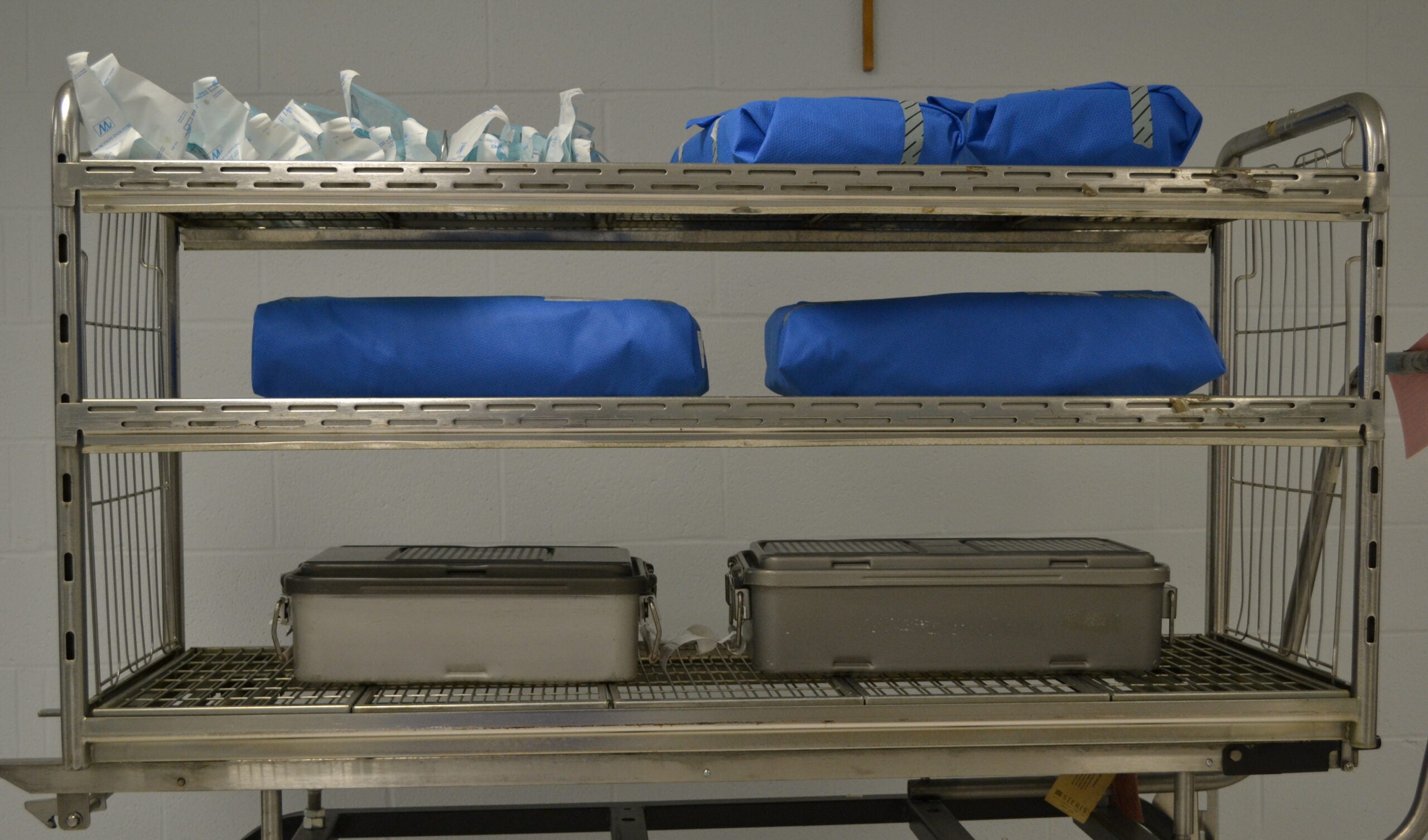
Reliable and robust enough for daily use on most medical devices, steam is the most common sterilant in healthcare facilities. However, using steam properly requires a balancing act. For example, too much moisture can lead to wet packs, while steam that is too dry might not be sufficient to achieve…

When a speaker at a recent conference asked if anyone had achieved a first-case on-time start (FCOTS) rate above 90%, Jay Parker, BSN, RN, could have been the only one in the room with his hand up. However, Parker was not inclined to call attention to himself. As director of…
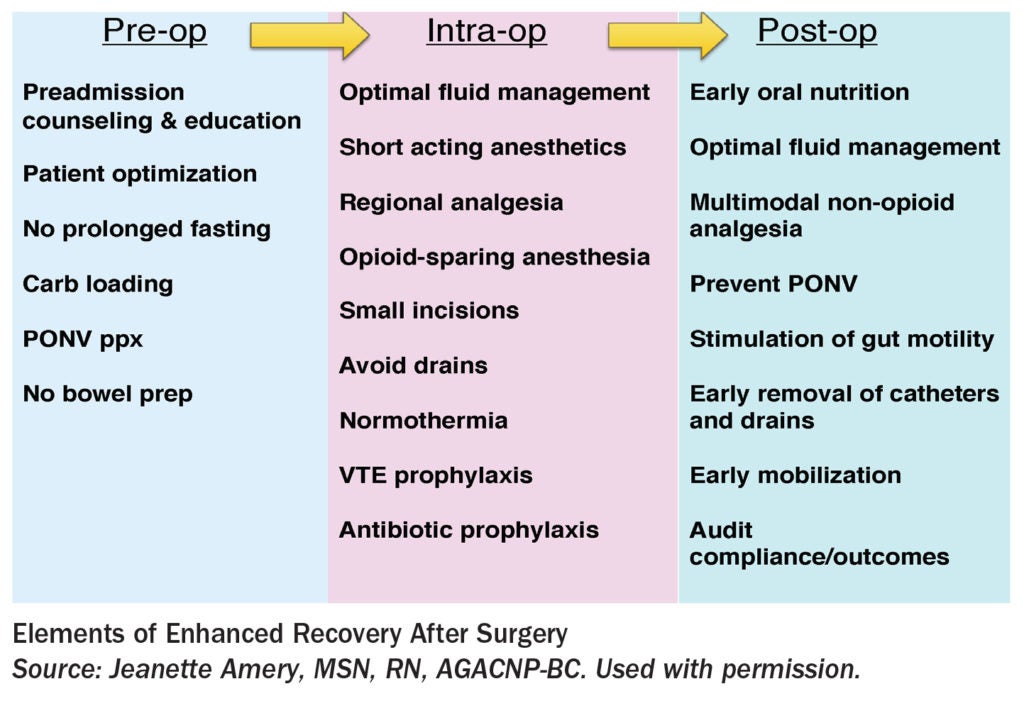
Enhanced Recovery After Surgery (ERAS) represents a transformative approach in modern surgical care, emphasizing evidence-based, multidisciplinary protocols to optimize patient recovery. Spanning decades, ERAS has grown from a novel concept into a global standard for perioperative care, with benefits that include shorter hospital stays, fewer complications, and reduced healthcare costs.…