Standing out from the competition in any industry requires the use of effective marketing tactics. In the case of ambulatory surgery centers (ASCs), these tactics can be divided into physician referral, recruitment, and retention; online; and internal and external marketing.
Here is a closer look at each of these. (For information about creating a marketing plan, see Part 1 of this series, November 2016 OR Manager, pp 28-31.)
“The number one way to market your center is to build doctor referrals,” says Stewart Gandolf, chief executive officer and cofounder of Healthcare Success, a marketing firm in Irvine, California. “That’s an area most people don’t even think of as marketing, but it’s vital.”
Lauren Beasley, a senior director of sales and market development at Surgery Care Affiliates, Deerfield, Illinois, adds, “From a physician standpoint, the key marketing message is the time savings—an ASC is more efficient and provides cost savings and excellent clinical quality for its patients.” Beasley, who works with 16 ASCs in Florida, has a sales team that promotes the benefits of ASCs to specialists and primary care physicians.
In addition to obtaining referrals from physicians, ASC leaders need to recruit—and retain—top surgeons. Beasley says quality and efficiency are valuable recruitment tools, along with offering physicians the option of buying into the ASC so they receive financial benefits.
She also recommends building relationships with third-party payers, who, in some areas, offer physicians incentives for taking their patients to an ASC instead of a hospital.
“Insurers save so much money [by having patients use an ASC] that even if they give physicians increased compensation, they still save,” she says. Encouraging insurers to offer this kind of compensation can lead to another tool for surgeon recruitment.
Beasley says the centers she works with try to make a new surgeon’s first case memorable by conducting a tour of the center and providing the physician’s favorite lunch. The sales director who recruited the physician, along with the ASC administrator, clinical director, and other managers, are on hand to welcome the surgeon and make staff introductions. Afterward, surgeons receive a questionnaire to complete. “Physicians almost always have a great experience,” she says.
You hang up the phone after agreeing to be interviewed for an article on ASCs for the local newspaper. You’re excited but worried; you’ve never been interviewed. Before you panic, consider these tips from Kay Tucker, director of communications for the Ambulatory Surgery Center Association in Alexandria, Virginia.
• Select the two or three key messages you want to convey, and be sure you are able to articulate them clearly and concisely. For example, you could focus on how ASCs provide high-quality, cost-effective care.
• Never guess. If you don’t know, tell the writer you’ll find out and get back to him or her—and do so.
• Focus on the positive. Avoid making negative statements about the competition.
• Don’t verbally attack the writer, even though you may strongly disagree with what he or she has said.
• Respond promptly. Writers often have tight deadlines. Ask the reporter for his or her deadline, and if you cannot meet it, let the reporter know as soon as possible.
• Don’t expect everything you say to appear in the final article. A reporter may speak with you for 30 minutes and use only one quote. It all depends on how what you say fits into the final story.
• Understand that the reporter might also interview other sources who might contradict what you say.
• Remember that you don’t have to answer a question just because it’s asked.
“Internet marketing is more than just creating a website,” Gandolf says. “It’s having a website that’s designed to generate inquiries about your services.” He recommends driving traffic to the website through search engine optimization.
“A website is huge part of the reach-out process,” says Lee Anne Blackwell, EMBA, BSN, RN, CNOR, vice president of clinical services for Practice Partners in Healthcare, Inc, an ambulatory surgery center development and management company in Birmingham, Alabama. “But it requires continuous management to be effective.”
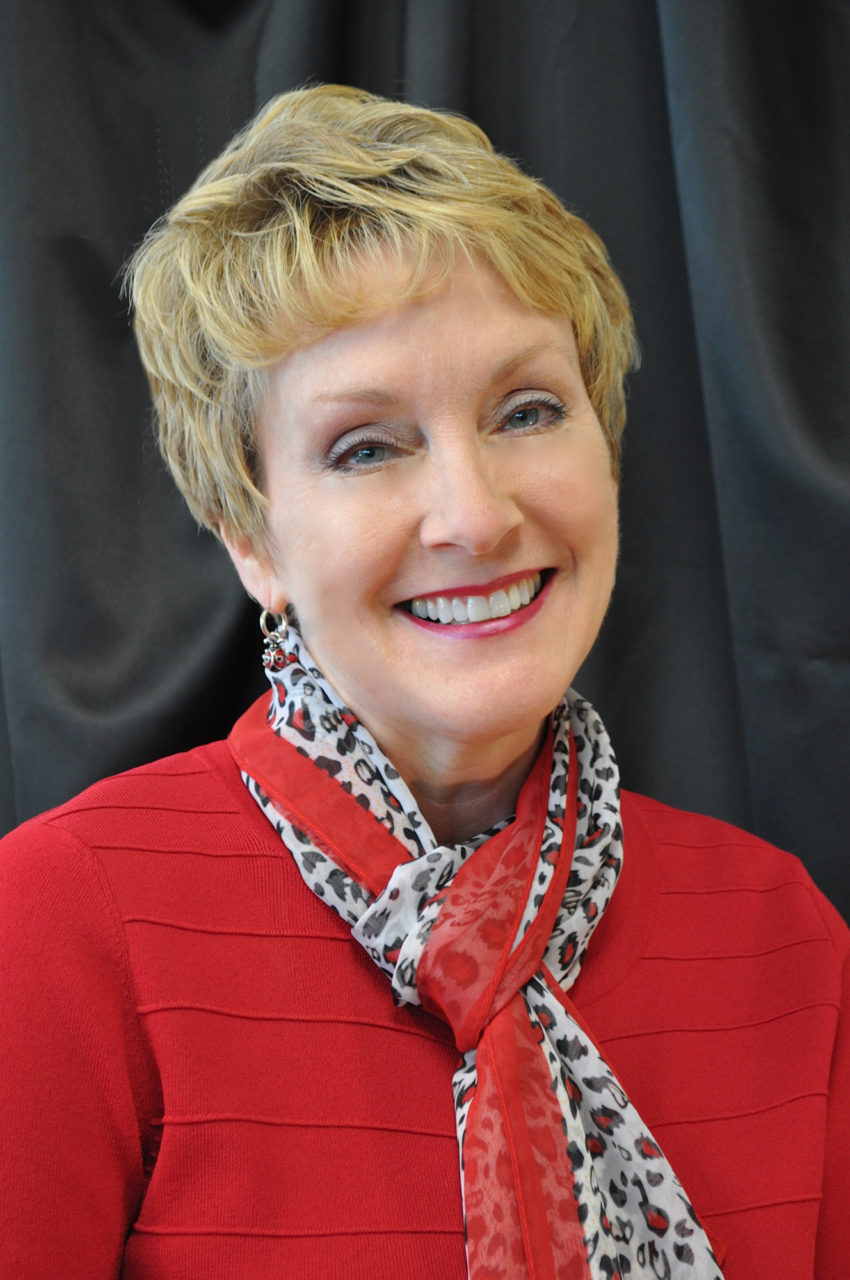
Lee Anne Blackwell, EMBA, BSN, RN, CNOR
Content for the site can include services offered; hours, location, and directions; contact information; outcomes data; patient testimonials; information on payer plans; financial obligations and arrangements for patients; and a section featuring employees’ expertise.
“We also have our own physicians share the services they provide and how they feel about the care the surgery center provides to their patients,” Blackwell says, adding that another use of the website is to highlight new techniques such as those for pain management.
She also notes that, as of July 2016, each ASC (and hospital) in Florida is required to have a website that includes mandated information, such as its financial assistance policy.
Social media can be an effective online marketing tool, if used appropriately. “The key is social etiquette and making sure the message is fully vetted,” Blackwell says. She recommends having someone with social media expertise review content before it is posted. In some cases, it’s wise to obtain legal guidance.
“You have to be careful with how you share your outcomes,” Blackwell says, noting that healthcare organizations may use different criteria to assess and calculate infection data. “If you are going to post outcomes, make sure what you post is vetted first.”
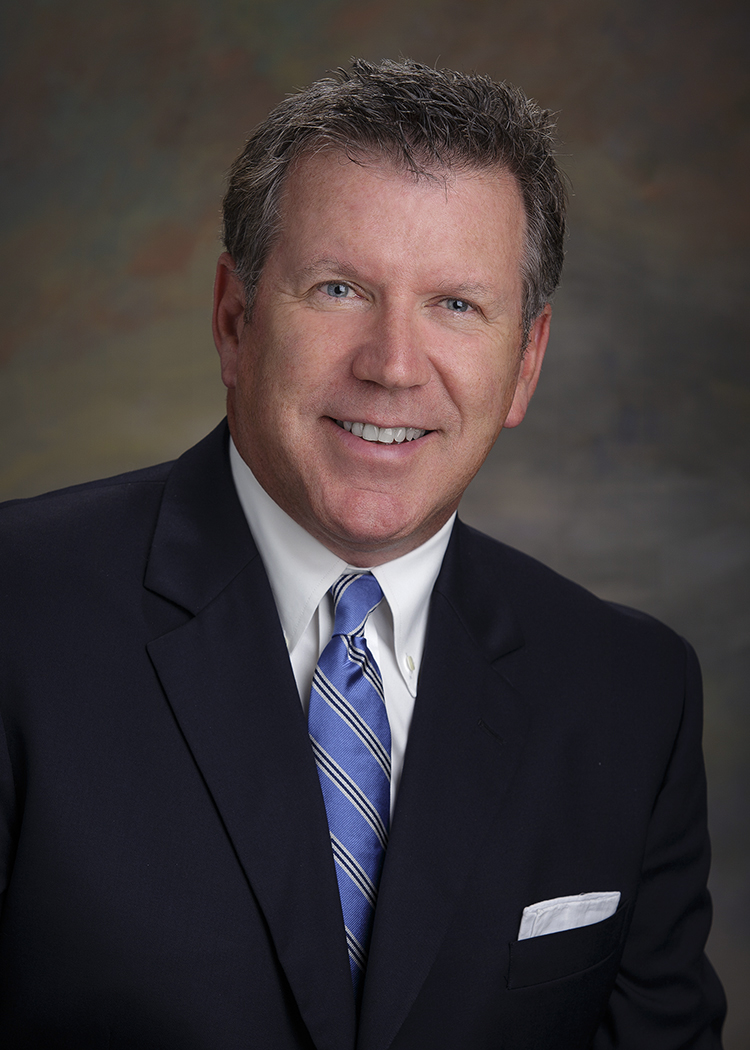
Charlie Leonard
Charlie Leonard, a public affairs adviser based in Santa Barbara, California, provides the following tips for sharing on social media platforms.
Keep it social. “Think of social media more as your local coffee shop than a billboard for advertising your center and services,” he says. Leonard suggests dividing posts into thirds.
• One third should share information on a wide range of healthcare subjects, not just surgical care. “Think about what you might tell someone while standing in line for coffee,” he says.
• One third should relate to the ASC’s interactions with patients and the community. “Those posts could include your engagements with civic organizations or your encouragement for others to support timely events and causes.”
• One third can promote the ASC, such as updates on staff credentials, annual certification renewals, and added services.
 Stay fresh. “Most social media posts get stale within 2 to 3 weeks,” Leonard says. He suggests assigning social media to one or more individuals to ensure that content is updated regularly. “Remember, most social media platforms are visual mediums, so you need visuals, including photographs and infographics,” Leonard says. “Make sure you update your images as often as you update your content.”
Borrow often. ASC leaders should regularly check what other centers are doing on social media to see what strategies are working best. “Then borrow often from the best-visited sites or the sites with the most followers,” Leonard says. Don’t copy posts directly, but rather borrow ideas on what to post. “Remember, imitation is the best form of flattery,” he notes.
Ambulatory surgery center (ASC) leaders must figure out which tactics will work best to help them meet their marketing goals, but here are some more ideas from those interviewed for this article.
Hold an open house. “Some ASCs sponsor open houses and invite residents of their local communities into their centers for health screenings, presentations on health conditions that might involve ambulatory surgical care, and a combination of food, games, and prizes designed to get people involved,” says Kay Tucker, director of communications for the Ambulatory Surgery Center Association in Alexandria, Virginia (ASCA).
ASC staff can also take the opportunity to talk about the benefits of ASCs. Lee Anne Blackwell, EMBA, BSN, RN, CNOR, vice president of clinical services for Practice Partners in Healthcare, Inc, in Birmingham, Alabama, suggests centers can also participate in health fairs held by other organizations.
Provide useful branded products. Mary Stewart, BSN, RN, chief clinical officer for Springfield Clinic in Springfield, Illinois, says that one of the organization’s biggest successes was the switch they made from plastic to reusable bags for patients’ belongings.
Reusable bags were slightly cheaper than disposable ones, but the real benefit was having the organization’s name on the bag. “People use them over and over,” Stewart says. “I see them all over town.”
Give a tour. Tucker says that ASCs might want to host a facility tour for a member of Congress or state and local representatives. This can be followed by sending a photo and media release to local news outlets. ASCA can help ASCs set up and conduct tours.
Adjust your hours. The Springfield Clinic starts surgery at 6 am. “It has been so successful,” Stewart says. “Patients love it because they get home quickly, staff who are new moms love it because they can get home by the time their children are home from school, and surgeons love it because they have time after their outpatient surgeries to do their big cases at the hospital and get back to their offices.”
Send media releases. Tucker suggests sending media releases to local news outlets, such as the local business journal, whenever ambulatory surgery centers add a new surgeon (particularly someone with special skills that will allow the ASC to provide a new service), buy equipment for a new procedure, or pass an accreditation survey.
It may be helpful to follow up with an email or phone call, but it’s important not to pester the reporter—one subsequent contact is usually enough.
Tap into ASCA resources. The organization’s Advancing Surgical Care Campaign website (www.advancingsurgicalcare.org) includes answers to frequently asked questions about ASCs, links to landmark reports demonstrating the benefits of ASCs, and a map site visitors can use to find ASCs in their area.
“ASCs can share all that information with their patients, the media, and others,” Tucker says, adding that she is willing to answer questions about how to communicate with the media.
External marketing can be divided into advertising and publicity.
Traditional advertising includes radio, print, billboards, direct mail, circulars, and TV ads. Gandolf advises ASC leaders to consider the types of surgeries they want to bring into a center and whether those surgeries tend to be self or physician referred.
For example, someone with a hernia may not seek help immediately, but an ad might prompt him or her to contact the ASC. “Conditions that are self-diagnosed by the consumer are particularly good to target with advertising,” he says.
One valuable advertising tool is to have a programmable sign outside the ASC center.
Mary Stewart, MSN, RN, chief clinical officer for Springfield Clinic in Springfield, Illinois, has used this with great success. (Springfield Clinic consists of about 30 physician office sites and an ASC that performs more than 20,000 cases each year.) “We had to pay a one-time fee for the sign, but we can update it ourselves,” she says.
The messages don’t always relate to services that the center provides. For example, one message was a reminder to obtain a mammogram. These messages build a connection with the community.
The best advertising is integrated. For instance, in preparation for launching total joint surgery, Stewart’s organization purchased a robot that disinfects using a pulsed xenon ultraviolet light. “We did an infomercial and a name-the-robot contest,” she says.
The center also posted signs in elevators to introduce patients and visitors to the robot (now named Louie) and advertised a time when people could “meet Louie.”
This coordinated effort not only delivered the message about the new service, it also reassured people that the ASC’s high standards of infection control would be maintained—all with a touch of humor.
To obtain free publicity or press coverage, build relationships. “Reach out to the reporters who cover healthcare news in your community and offer to serve as a resource whenever questions about ASCs, ambulatory surgery, or outpatient surgical care arise,” says Kay Tucker, director of communications for the Ambulatory Surgery Center Association, Alexandria, Virginia. If you do get called, be prepared for the interview (sidebar, p 22).
If you want to pitch your own idea for an article to a reporter or writer, remember that they are writing for the public. “Reporters and editors are typically very skeptical; their job is to give readers something they can use, not to give the ASC free press,” Gandolf says. Consider what the public would think of as newsworthy, and identify a human-interest component. “You have to start with a good story,” Gandolf says. For example, perhaps the ASC has purchased a new kind of equipment that will allow it to provide a recently developed surgery to the community.
Stewart says her organization’s marketing department approached a local TV station about providing infomercials that would benefit Springfield Clinic and the station by addressing topics such as immunization and hypertension. One of the infomercials was about the ASC. The infomercials last about 30 seconds, and each one airs for a month. The station films the infomercials.
Gandolf cautions that press coverage helps build the ASC’s credibility and name recognition, but adds, “the flip side is that it rarely generates patients directly.” However, it’s important to leverage any positive news coverage. “Link to it on your website, and mention it in your promotions,” he says.
Internal marketing includes leveraging your employees and providing excellent customer service.
Employees.“I think if ASC leaders want to have happy and satisfied patients, they should focus on keeping employee satisfaction at a high level,” says Brenda Ulmer, MN, RN, CNOR, a perioperative nurse educator in Snellville, Georgia. “The success of the facility depends on staff who enjoy their jobs, feel a sense of ownership, and feel rewarded for their efforts.”

Brenda Ulmer, MN, RN, CNOR
Employees can be excellent marketers for a center. Gandolf cites the example of an employee saying, “We’re glad you came here today for your colonoscopy. By the way, you’ll notice from our brochure we do a lot of different services. So if you or anybody in your family has a need for any of these services, let us know.”
Customer service. Each experience the patient has before, during, and after surgery should be a positive one. That means focusing on the details, including excellent telephone skills, which, Gandolf says, too often are lacking in healthcare.
ASC leaders don’t have to reinvent the wheel. “Look at what other successful companies do to create brand loyalty,” Ulmer says. “Disney, Fed-X, and other businesses are successful because they take customer satisfaction seriously and make it a daily top priority.” She adds that the best way to learn what patients want is to ask them.
Stewart recently responded to what patients want. Based on results of a patient satisfaction survey, Springfield Clinic made several changes to promote privacy and continuity, including replacing curtains with glass doors to reduce noise in the admitting and recovery areas, installing TVs, and explaining the care team to patients.
The clinic also has greeters who now work in the waiting room. “Patients love them because they keep them updated,” Stewart says.
Small efforts can yield big results. For example, Ulmer says that after her husband underwent surgery in an ASC, he received a card thanking him for using the center.
“What made it so special is that everyone who had participated in his care that day signed the card,” Ulmer says. It reinforced her satisfaction with his care. The card also asks patients to participate in the Press Ganey survey they will receive.
Beasley says that at the centers she works with, patients receive a postcard to carry with them throughout the day of surgery. Each person the patient encounters asks if there are any questions or comments and signs his or her name to the card.
“They [patients] know who took care of them every step of the way,” Beasley says. Patients leave with the card and a satisfaction questionnaire; the card makes it easy for them to name a staff member who was particularly helpful on the questionnaire.
It’s not just the patient ASCs should focus on. “We embrace the entire family unit,” Blackwell says. “They are the ones who are going to have to take care of the patient.”
Staff in the ASCs make sure families understand what care is needed after the surgery. “You want to make the person who didn’t have the procedure feel comfortable.”
The Springfield Clinic ASC has a coffee shop and a full restaurant. “We did that because our families of surgical patients could be here 4 to 6 hours,” Stewart says. “This way, they don’t have to leave the facility.” Patients who had to fast for lab work can also grab a bite to eat after their blood has been drawn, and employees enjoy the convenience, too.
Ulmer sums up by saying, “A customer service focus means consistently trying to put a smile on the face of everyone who enters your facility, and that includes the surgeon.”
Effective healthcare marketing requires multiple approaches, all designed to meet specific goals and objectives. However, ASC leaders should avoid “spaghetti marketing”—simply throwing out tactics to see what sticks.
Instead, it’s important to develop a marketing plan. And if you had to choose only one of the tactics in this article, Ulmer is quick to recommend focusing on employees.
“Happy employees will translate those feelings to their patients,” she says. “Your people are the greatest positive marketing asset you have.”
Blackwell advises leaders to stay current about market trends. “Be involved professionally to network and learn from others,” she says. “It helps you build competencies, understand what’s going on in the market and your industry, and gives you ideas you can use in your own center.” ✥
Cynthia Saver, MS, RN, is president of CLS Development, Inc, Columbia, Maryland, which provides editorial services to healthcare publications.


