 The Business of Surgery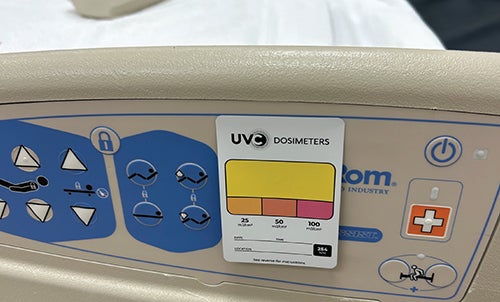
Approximately one in 31 hospital patients has at least one infection on any given day, according to the Centers for Disease Control and Prevention (CDC). In surgical settings, the risk is even higher, with up to 7% of patients developing an infection during surgery. These infections can lead to a…
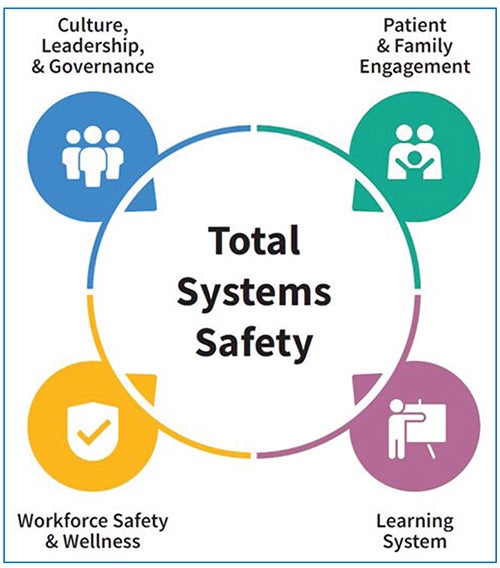
From integrating new technology to navigating shifts in care delivery and mitigating burnout, the most pressing challenges for healthcare organizations tend to be multifaceted problems that demand multifaceted solutions. For evidence of that, look no further than the Top 10 Patient Safety Concerns 2024 list from ECRI. For every risk…

The past 10 years of data from the OR Manager Salary/Career Survey reflects many challenges in the healthcare environment, particularly those associated with the COVID-19 pandemic. ASC leader respondents report that staffing difficulties have become particularly challenging. For example, only 15% of respondents to the 2014 survey reported increased RN…

For surgeons and other medical professionals, what to wear to work is more than just an afterthought. Over the decades, surgical scrubs have undergone a significant transformation, evolving from simple, functional garments to sophisticated attire that prioritizes both comfort and infection control. They are not merely clothing but a vital…
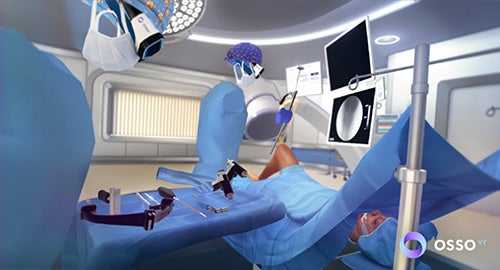
Takeaways From mobile phone apps to immersive virtual reality surgery experiences, digital tools make healthcare training more interactive, more engaging, and more fun for everyone from nurses to surgeons. Modern procedures—including minimally invasive techniques and robotic surgery—require 50 to 100 cases for a surgeon to reach a safe proficiency level…
Takeaways OR leaders have experienced financial gains over the past 9 years, but not enough to keep up with inflation in recent years. Capital and operating budget responsibilities have increased over the past 6 years. Since 2015, OR leaders have consistently been most satisfied with their current job, but much…

What if a surgeon decided to perform a procedure on a patient that was not totally necessary? It happens more often that one might realize. As recently as August 2023, Forbes published an article that cited a Harvard Business Review report stating that over 50% of lumbar spine surgeries are…

Next-Gen Disruptors: Technologies Transforming the OR Installment #1, presented by LeanTaaS Surgical procedures are necessary steps in patient journeys—no one wants to have surgery, but most people will need it at some point for care continuity and better quality of life. To best support positive outcomes, optimal recovery periods, and…

The promise of quicker recovery and fewer complications from sedation, anesthesia, and pain management have drawn clinicians and patients alike to procedures performed in ambulatory surgery centers (ASCs) and other outpatient settings. However, sedation, anesthesia, and analgesia add their own risks to those of the procedure itself. Understanding the latest…

Critical assessment and rapid response are essentials skills for perioperative staff members, and that goes double for perioperative leadership. Patient-centered leadership is a must. Like the OR, the postanesthesia care unit (PACU, formerly referred to as the “recovery room”) is a critical care area plagued by an influx of new…