 Safety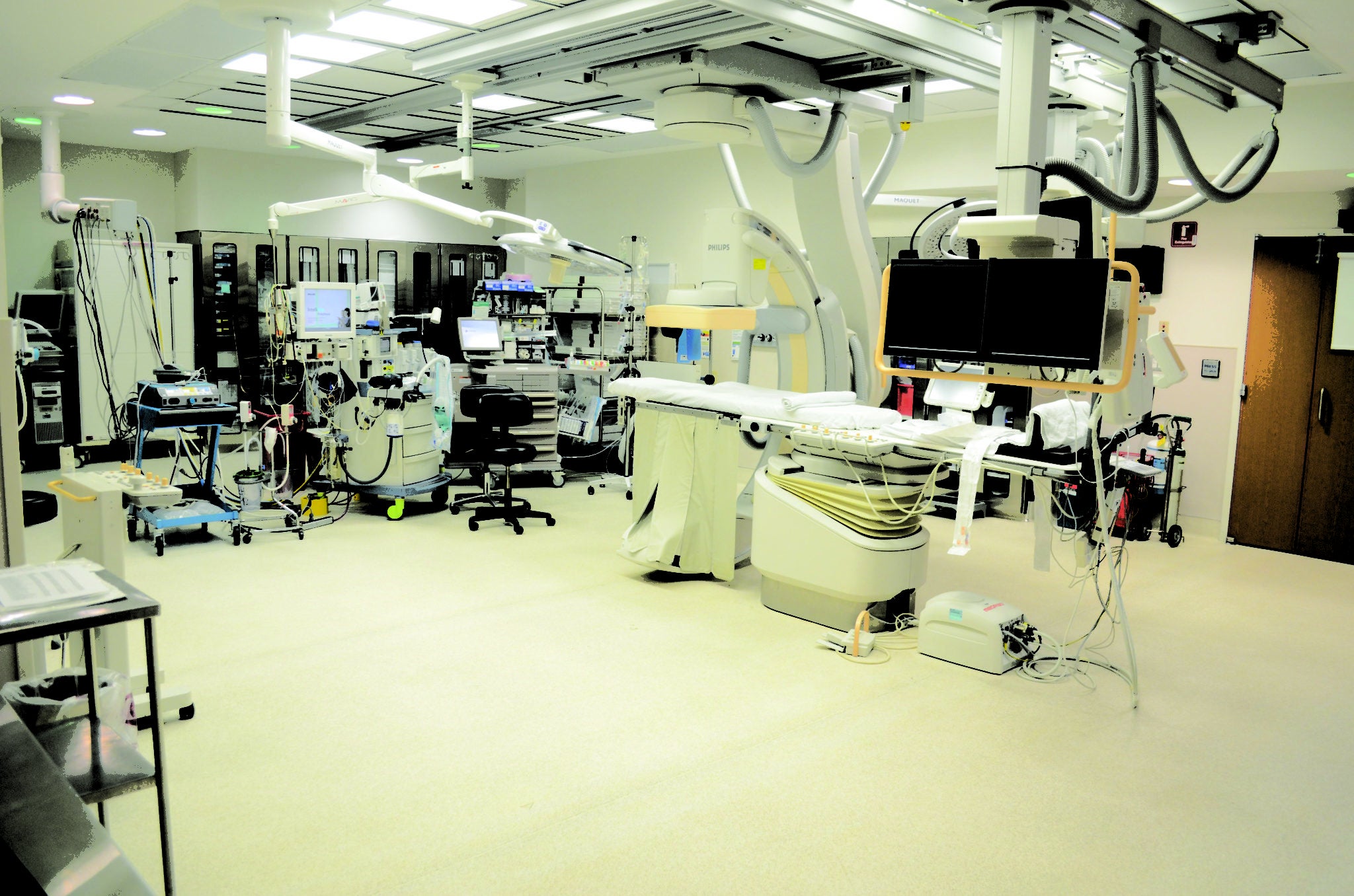
The concept of the hybrid OR was born in the 1990s, but healthcare institutions were originally slow to adopt the model due, in part, to the initial sizable investment required. While there was a steady uptick in adoption around 2008, today there are still only some 100 hybrid ORs in…

An estimated 126.6 million Americans are dealing with the impact of a musculoskeletal (MSK) condition, according to a US Bone and Joint Initiative report. That means, one in two adults in the US have gone or will be going through a wide range of hip, knee, shoulder, and/or spine procedures.…
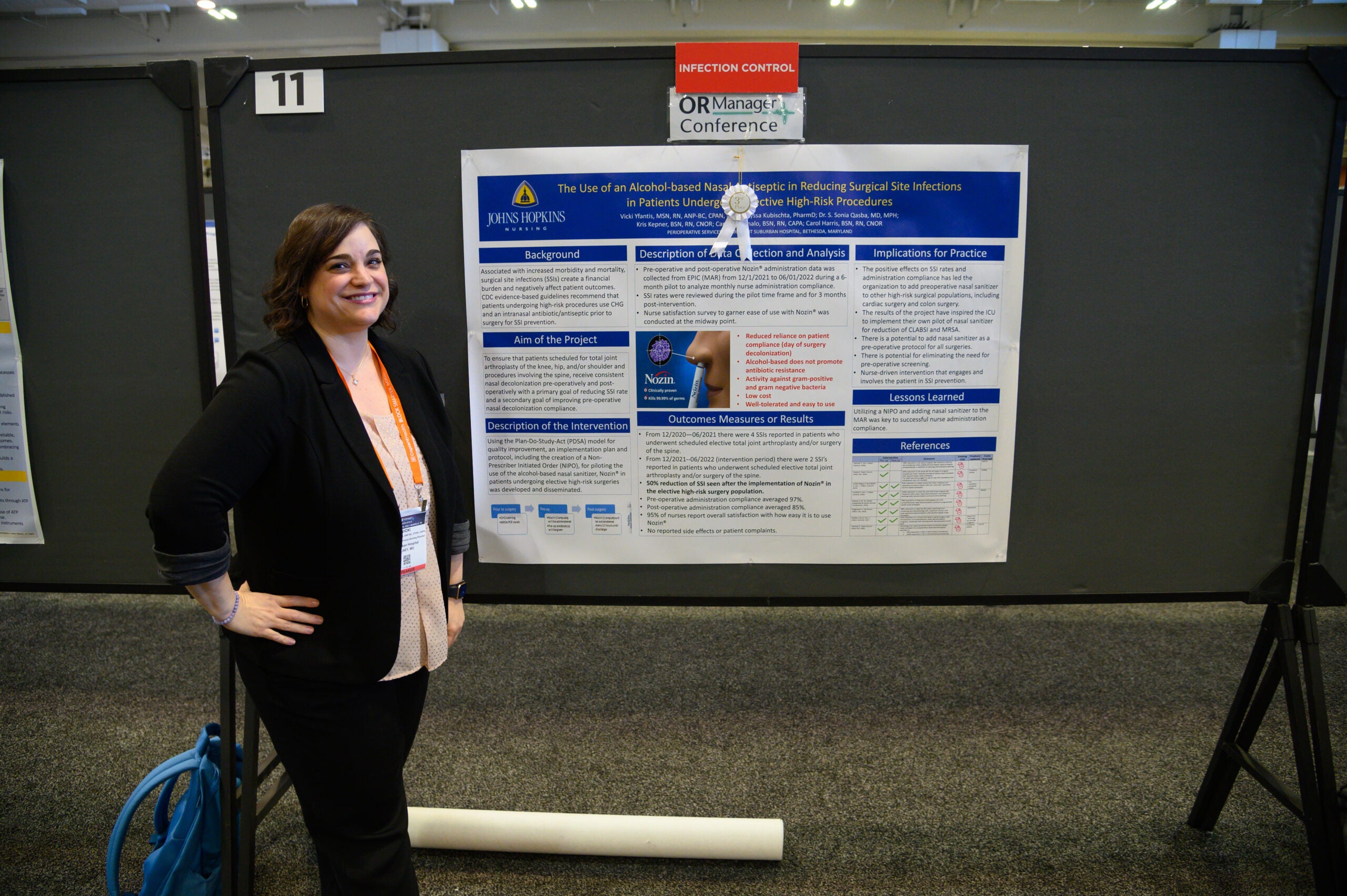
From highlighting the need for better preoperative nasal decolonialization to touting the success of personalized pediatric behavioral health interventions, the posters on display at the 2023 OR Manager Conference highlighted the exceptional work of clinicians in 2023. Poster: “Use of Alcohol-Based Nasal Antiseptic in Reducing Surgical Site Infections in Patients…
Staffing crises continue to plague the healthcare industry, but that cannot continue to be the focus of perioperative leaders. That was the poignant message that underscored the attendee experience at the 36th OR Manager Conference in Nashville, Tennessee. After attending the engaging keynotes, numerous breakout sessions, and several networking events,…

In today’s digital age, social media channels such as Facebook, Instagram, YouTube, and TikTok are transforming the ways we connect and communicate. Through these platforms, users can share information, ideas, and personal messages, as well as build networks and communities. It is also becoming an integral part of everyday life.…
Pain treatments have applications in traditional hospital OR settings and ambulatory surgery centers (ASCs). “The choice of setting depends on the specific needs of the patient, the type of procedure being performed, and the resources available,” says Wang Lushun, MD, senior consultant orthopedic surgeon at Arete Orthopaedic Centre in Singapore.…

The importance of a dedicated robotics coordinator’s role in an efficient da Vinci robotics program cannot be overstated. “You need someone to take ownership of the program, set up training for staff and surgeons, and coordinate ongoing development,” says June Hill, BSN, RN, CNOR, clinical director of robotics, Inova Health…

Perioperative nursing, like any field, requires authenticity, honesty, and integrity for successful management. As perioperative represents one of the most challenging and demanding healthcare environments, patient-centered leadership is a must. This article previously published by OR Manager, titled "Words of wisdom: OR leaders offer tips for new managers," expands on…
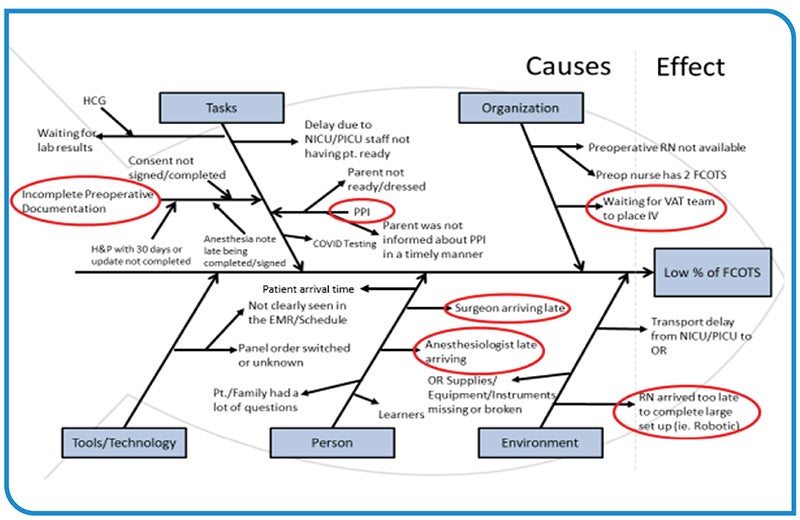
The OR is the financial motor of a hospital. As such, inefficiencies in this space adversely impact patient safety as well as the financial stability of the hospital and/or healthcare system. The first case on-time starts (FCOTS) metric is one of the primary benchmarks for assessing OR efficiency. The following…
Takeaways It takes an average of 112 days to fill an open RN position and 130 days to fill an open ST position, according to survey results. Turnover rates have decreased slightly but remain high. Most OR leaders are finding it more difficult to recruit RNs and STs, compared to…