 Safety
Takeaways • Surgical volume continues to increase for most organizations. • Staffing remains a challenge, although some parameters, such as recruiting and turnover, have improved slightly. • Filling an open RN position takes an average of 77 days, and filling a surgical technologist position takes an average of 120 days.…
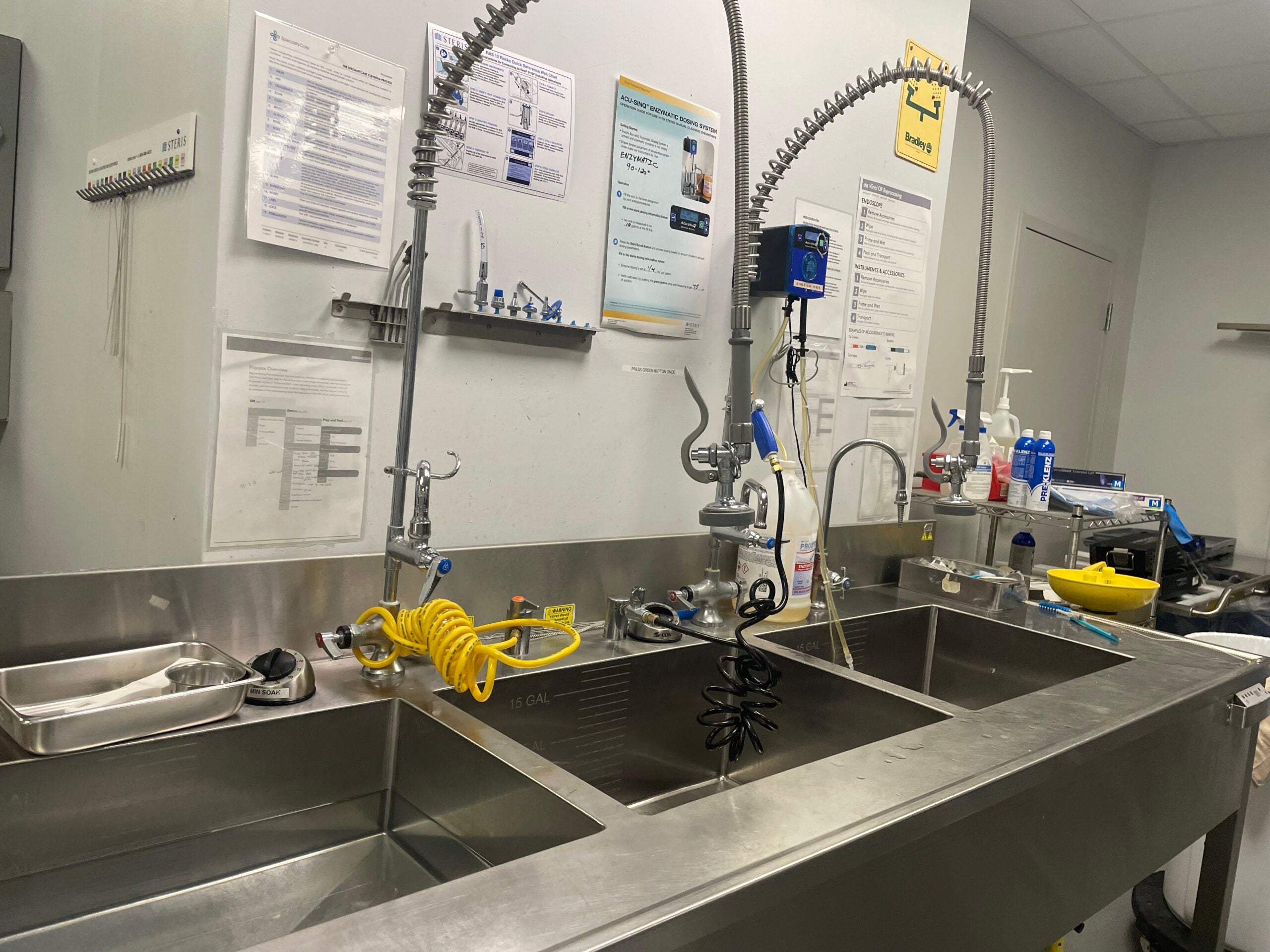
Asking who, what, why, when, where, and how—otherwise known as the “5 Ws and an H”— is a time-tested way for writers and researchers to ensure comprehensive coverage of any topic. Here, we apply this framework from the perspective of sterile processing department (SPD) professionals seeking to start a water…

There is no shortage of advice, opinions, and proposed solutions when it comes to staff shortages, but the issue continues to plague healthcare systems nonetheless. For a couple of years now, speakers at the OR Business Management Conference and OR Manager Conference have been asking attendees, “Who still struggles to…

Human trafficking (HT) is a global public health crisis and one of the fastest growing criminal enterprises that grosses hundreds of billions of dollars annually, all of which are tax-free profits made off the sale of human cargo. And yet, research shows the problem is poorly understood or recognized among…
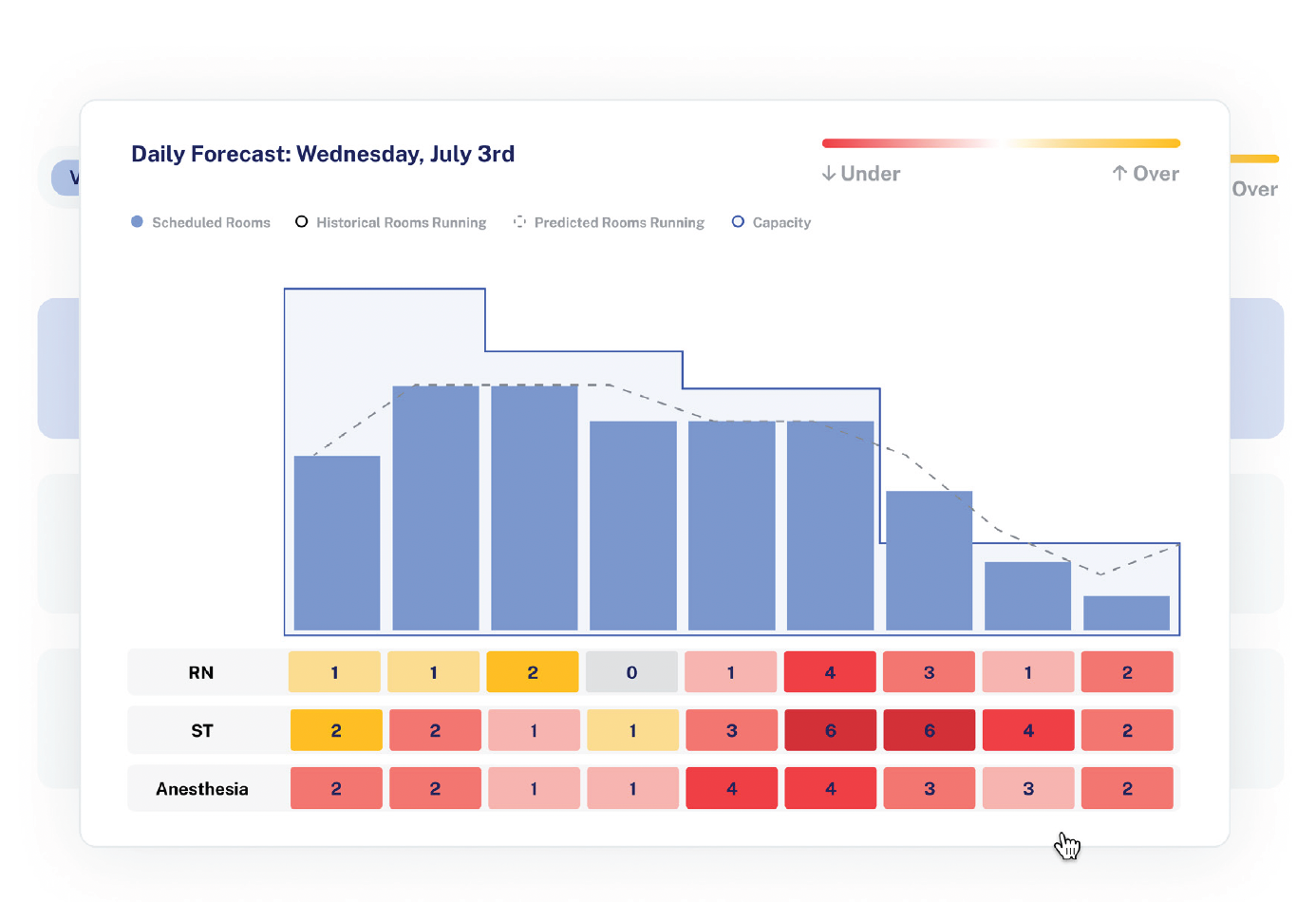
Perioperative leaders face mounting pressures to optimize resources, reduce costs, and improve patient outcomes. However, one challenge stands out among the rest: OR staffing shortages. According to a November/December survey conducted by LeanTaaS in collaboration with OR Manager, staff recruitment and retention is a top priority for OR leaders this…

Takeaways Successful collaboration requires prioritizing teamwork and aligning new projects and ideas with the overarching goals of the organization. Strategies for making the case for a new project or initiative include establishing subject matter expertise, tailoring the message, and having a win-win mindset. The most influential leaders understand others’ perspectives…
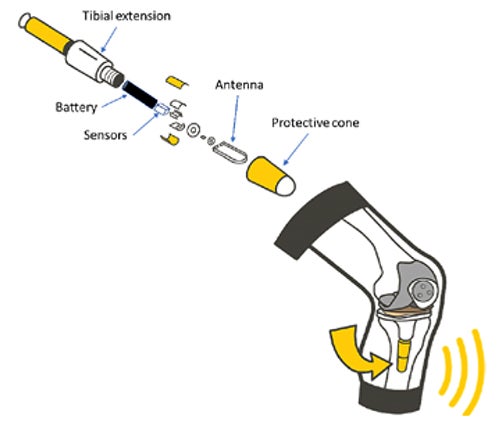
Takeaways Transmitting health metrics directly from a surgical implant reduces the need for in-person followup and offers more objective data on recovery than patient-reported measures. This technology’s potential extends beyond knees. Whatever the nature of the treatment, postop monitoring is critical. Patient education is essential for setting up the data…

I still recall being handed roughly 10 boxes of suture anchors to practice with years ago at New York University (NYU) medical school. “Aren’t these needed here?” I asked incredulously. “Not at all,” came the answer, despite a hefty price tag of $1,000 per box. In fact, getting the suture…

The administrator of an ambulatory surgery center (ASC) wears many hats, doing every odd job in the book to keep their free-standing center safe, compliant, and operational. But what does “wearing many hats” mean exactly? OR Manager spoke with Nyleen Flores, CPMSM, CPCS, CPCO, CASC, chief administrative officer at Lake…

Some 800,000 knee replacements and 550,000 hip replacements are performed in the US each year. Factoring in the ever-expanding aging population, projections show the figure for knee replacements alone will explode to 3.5 million procedures being done annually by 2030—and that is just one type of procedure within a single…