 Sterile Processing
Editor’s Note: This page is a companion piece to the main article, Centralized sterile processing cuts costs, complexity for four ASCs. Implementing offsite sterilization is a major project. At Total Joint Specialists, our journey began gradually, growing in scope over time as the team became comfortable with the process…
Preventing infection from contaminated surgical tools requires attention to every link in a complex chain of processes, from point-of-use pretreatment in the OR to the moment the freshly disinfected or sterilized item arrives at the next patient’s bedside. For those on the front lines, manufacturers’ written instructions for use (IFUs)…

Patient safety and regulatory compliance demand thoroughly vetting those tasked with preventing healthcare-associated infections. But which certification is the right fit? Those who are new to infection control have a wide range of options for verifying their newly acquired expertise. More seasoned infection preventionists (IPs) also have a number of…

In the OR, precision and focus can mean the difference between life and death. However, surgical patient outcomes hinge on more than the competence of those working in these inherently intense environments. Every procedure also depends on the laborious, behind-the-scenes efforts of the people responsible for ensuring every surgical instrument…

Imagine completely eliminating surgical site infections (SSIs) without significantly disrupting perioperative workflows. At Magic Valley Regional Medical Center (MVMC), a mid-sized community hospital in Twin Falls, Idaho, a nurse-led pilot project accomplished just that for breast and colorectal surgeries. As for other procedures, overall infection rates are down by nearly…

The poster presentations at the 2024 OR Manager Conference showcased exceptional perioperative initiatives, highlighting advancements and innovative practices. From streamlining documentation and optimizing billing processes to ensuring patient and staff safety in postanesthesia settings, the posters selected last year showed the ingenuity and dedication of healthcare professionals committed to excellence…

Reduced costs, faster recovery, and other advantages can make outpatient surgical procedures more convenient for providers and patients alike. Ambulatory surgery centers (ASCs) are incredibly safe, but a lot of work goes into infection control. Cross-trained staff often wear many hats, and limited budgets may not leave room for dedicated…
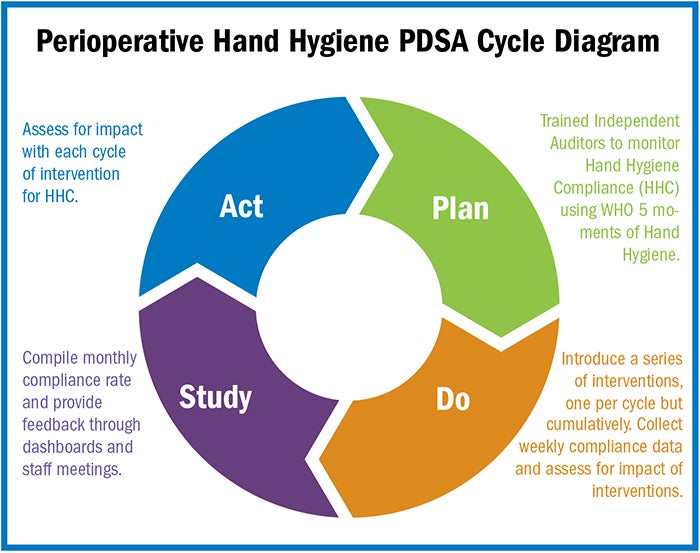
It is often said that small actions lead to big results. This so happens to be the case with hand hygiene compliance (HHC) in healthcare. Imagine a simple act, like washing hands, cutting infection rates by half—hospital-acquired infections (HAIs) and surgical site infections being reduced simply by improving handwashing behaviors.…
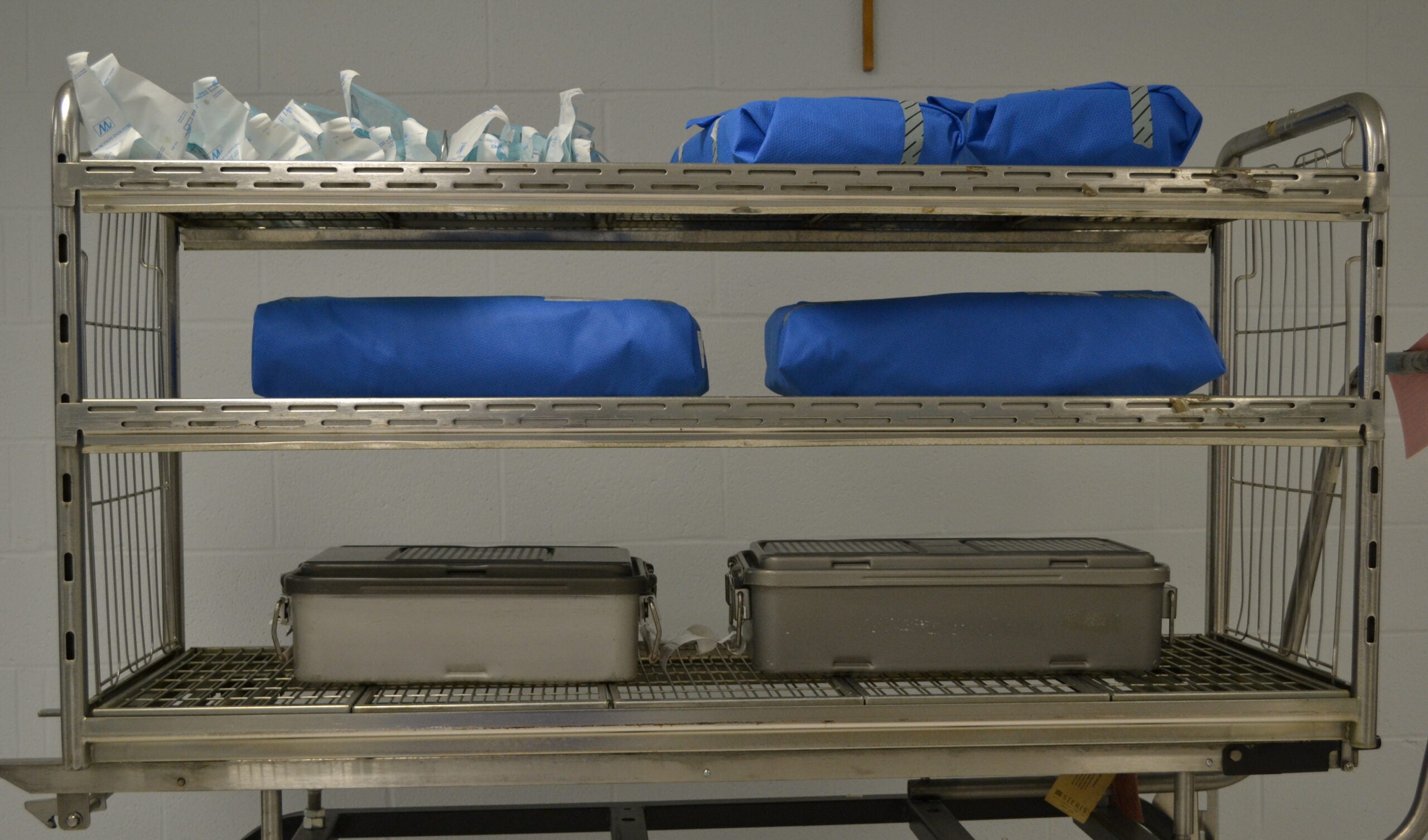
Reliable and robust enough for daily use on most medical devices, steam is the most common sterilant in healthcare facilities. However, using steam properly requires a balancing act. For example, too much moisture can lead to wet packs, while steam that is too dry might not be sufficient to achieve…

For many in the healthcare industry, imagining surgery without onsite sterile processing seems unthinkable. Then again, performing total joints in an ambulatory surgery center (ASC) was unthinkable 10 years ago. ASC sterile processing departments (SPDs) are generally not designed to handle the high volumes of instrument trays, vendor trays, and…