 The Business of Surgery
 Leaders of ambulatory surgery centers (ASCs) know a competent staff is essential for optimal patient outcomes and financial well-being, but competing pressures sometimes relegate competency assessment to completing a checklist to meet regulatory requirements. Unfortunately, this approach can result in missed opportunities. “Competency assessment helps promote safe care and quality…
How can leaders of ambulatory surgery centers (ASCs) ensure they have a competent staff? First, they must hire staff with the right skill sets, and then they should implement meaningful methods for ongoing assessment. Here are some strategies for meeting these goals. Begin with the hiring process “When you…
When audits revealed areas of deficit in the sterile processing departments (SPDs) of the Memorial Hermann Health System in Houston, leaders pulled together a team to help implement a quality improvement plan. By analyzing and standardizing their processes, creating auditing tools, and educating staff, they significantly increased quality scores throughout…
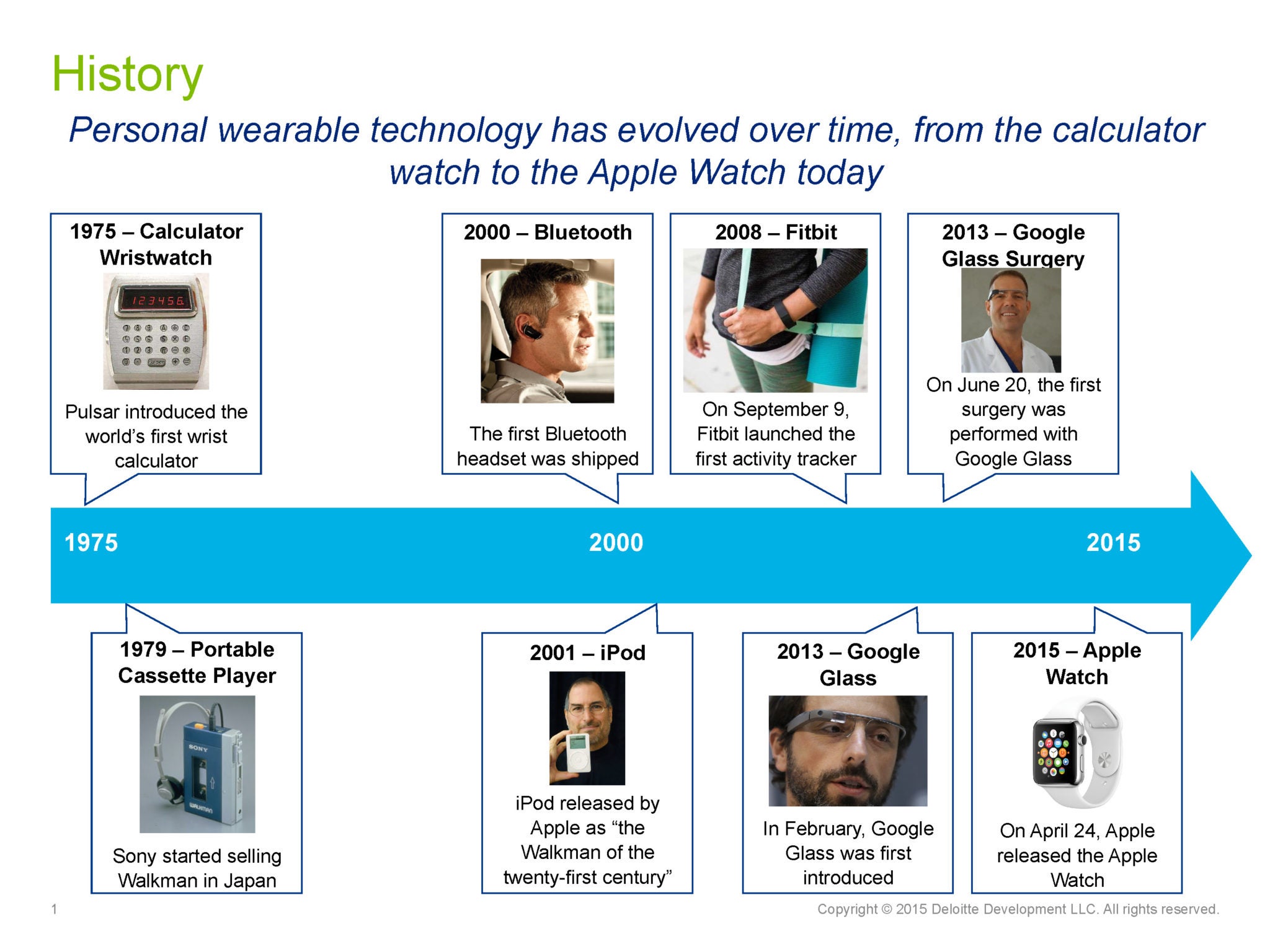
Personal wearable technology, which covers the gamut from activity trackers such as Fitbit to e-textiles that monitor vital signs, have the potential to revolutionize healthcare. Like most innovations, however, the technology comes with risks. For OR leaders, those risks include possible security breaches, distractions, and violation of patient privacy and…
How do OR leaders enhance family members’ satisfaction with the communication they receive when their loved ones are in surgery? Thanks to advances in technology, many are turning to tools like mobile apps and text messaging. At Memorial Medical Center (MMC) in Springfield, Illinois, Lexanne Darwent, BSN, RN, helped implement…
After a 10-year journey, Cassendra Munro’s Pressure Ulcer Risk Assessment Scale for Perioperative Patients (Munro Scale) is available for use in the perioperative setting and has been added to the AORN Prevention of Pressure Ulcers Tool Kit. “It is the most comprehensive risk assessment tool available for use by the…
Orthopedic services are evolving. Total joint patients are younger and healthier, the technology has improved, and procedures are moving to the ambulatory setting. The desire for same-day discharge has raised the bar for provider performance and increased competition among facilities that are adding total joints to their service lines. Younger…
The Hospital Safety Score, issued twice yearly, uses national performance measures from the Leapfrog Hospital Survey, the Agency for Healthcare Research and Quality, the Centers for Disease Control and Prevention, the Centers for Medicare & Medicaid Services (CMS), and the American Hospital Association. Leapfrog rated 2,571 hospitals on their ability…
Some healthcare facility leaders have managed to reduce or even eliminate the incidence of retained surgical items (RSIs), but vulnerability remains despite increased focus on this problem. A 2015 article in the Journal of the American Medical Association cited a median estimate for RSIs: one event per 10,000 procedures, with…
Most OR leaders today are concerned about the growing problem of diabetes in surgical care. More than 30 million people in the US now have diabetes mellitus, and many studies have demonstrated its adverse impact on surgical outcomes. The challenge is translating this research into practice. Managing diabetes is always…