 The Business of Surgery
Healthcare facilities face challenges in the recall process of tissue, non-biologic implants, and medical devices because of their time-sensitive nature and inherent risks to patient safety and compliance. Hospitals often use secondary sources for recall notifications. These lists, however, do not include two critical pieces—the identification of affected patient cases…

Using sterile items in surgery is a fundamental practice, not a rudimentary one that can or should be taken for granted. Put simply, using unsterile items can result in a patient infection. If sterile storage conditions are not appropriate, the items can become contaminated. Such contamination may go undetected, rendering…

Takeaways One of the lessons learned when it comes to data was to make sure you do it right the first time. A big drive for standardization was to leverage the distribution center to send excess inventory that some sites had to sites that needed them. Another drive was the…

Takeaways Rural hospital purchases by larger health systems should improve access to surgical treatment in remote areas, but some acquisitions have resulted in decreased care quality and reduced access to services, as shown by recent examples. Despite challenges, rural hospital acquisitions can lead to expanded services, enhanced perioperative support, and…
Access to quality care in rural areas has been making headlines since the pandemic began. The issue of ensuring appropriate access to services in rural and community hospitals is not a new concern. But with the unprecedented number of shutdowns—not only of certain departments and service lines but also total…
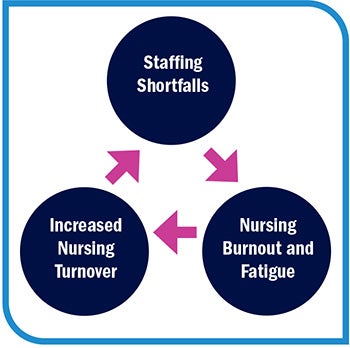
In April, the long-awaited results of the 2022 National Nursing Workforce Survey (Workforce Survey) were released. For researchers and academics with an interest in nursing workforce and professional development data, this report is a treasure trove of information as “the only continuous national, randomized survey of this size.” This version…
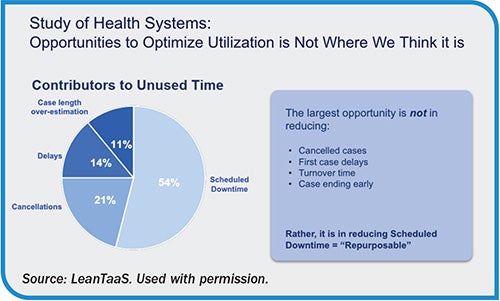
While demand for OR services can be unpredictable, supply is largely fixed—well below the baseline for many hospitals and health systems. The ability to match supply and demand within perioperative services is critical to efficient ORs, as hospitals and health systems must operate with constrained staffing and anesthesia resources. On…

With healthcare costs continuing to rise, hospitals, payers, and patients are looking for different venues for care and ways to cut costs while maintaining quality and safety. As more surgical procedures are safely performed in outpatient settings, more ambulatory surgery centers (ASCs) are being built or restructured. Partnerships between hospitals…
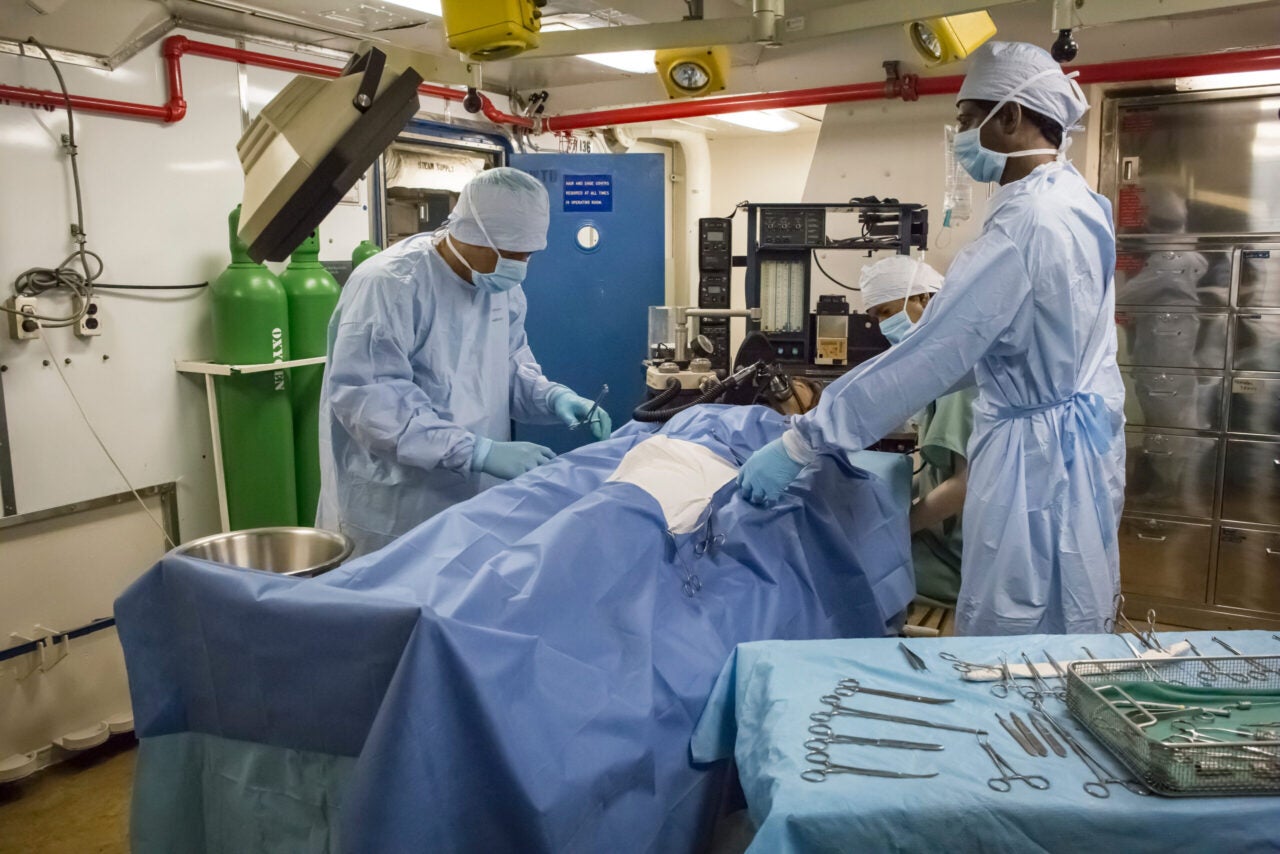
Takeaways • This buddy program works for all levels of an organization and for anyone who is starting to do something new in a leadership role. • New leaders often feel like they are being “thrown into the deep end,” and having buddies can help them feel safe. • The…

The Association for the Advancement of Medical Instrumentation (AAMI) has revised the ANSI/AAMI PB70 Liquid barrier performance and classification of protective apparel and drapes intended for use in healthcare facilities. This revised standard provides healthcare professionals with a better understanding of the barrier protection properties of available protective apparel. The…